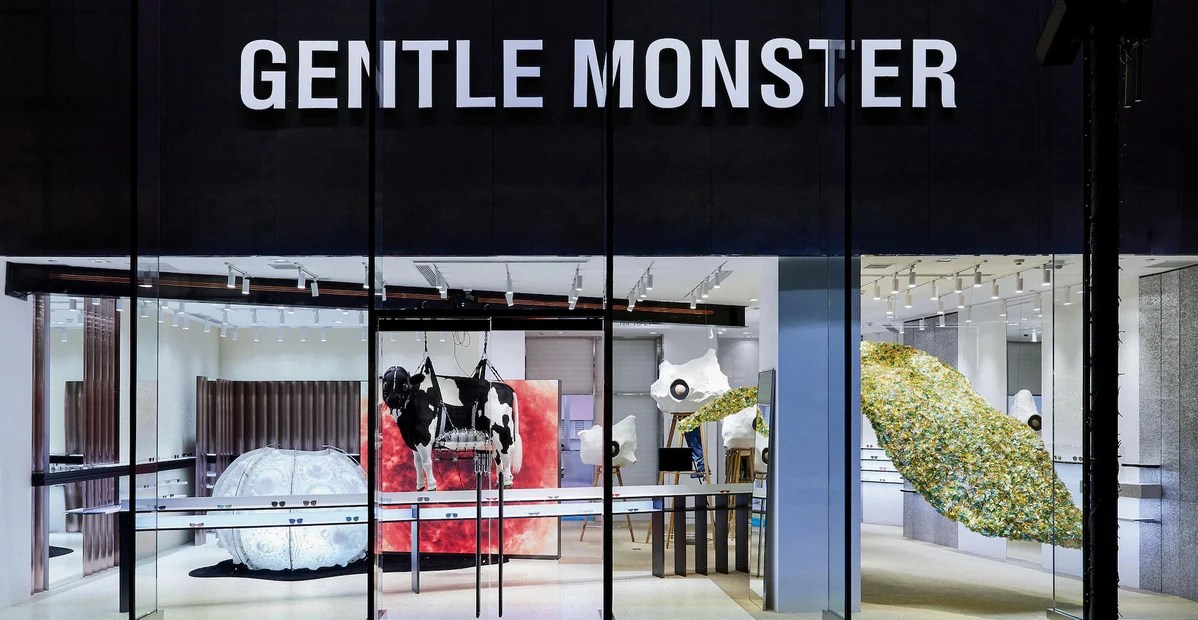
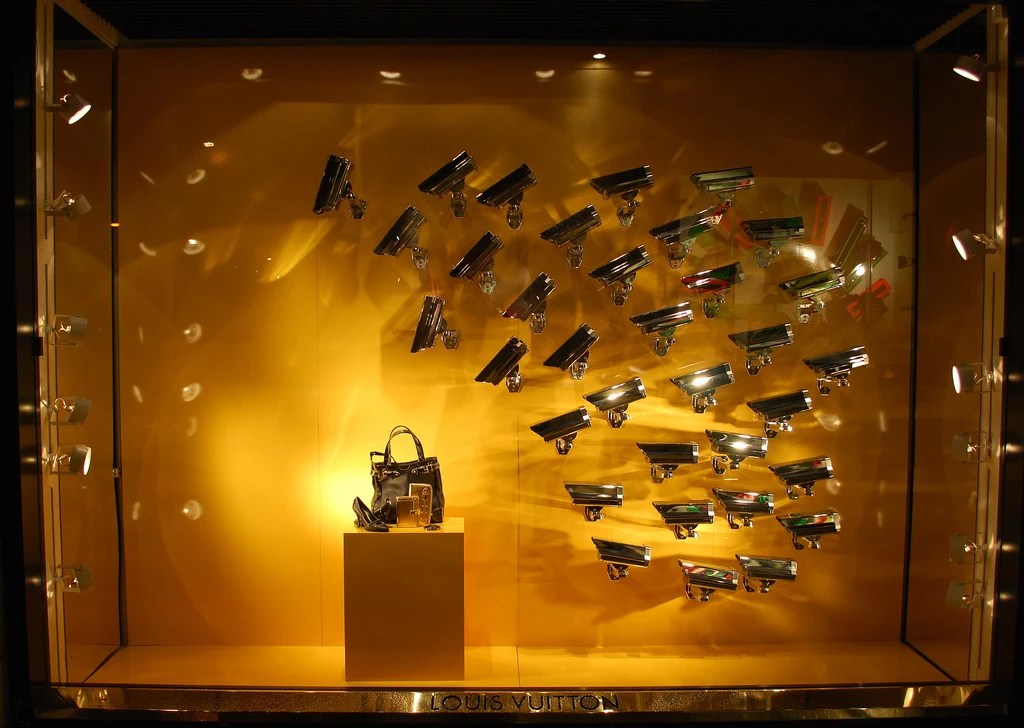
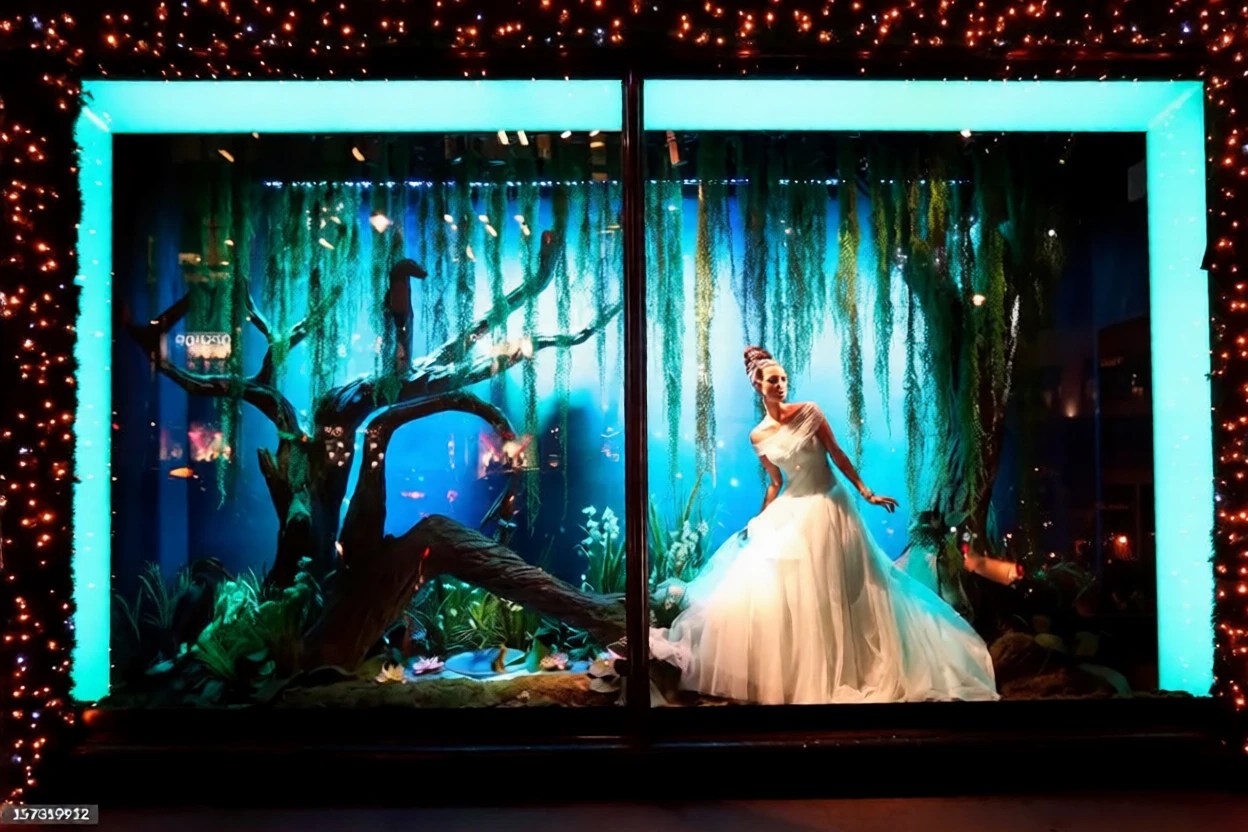
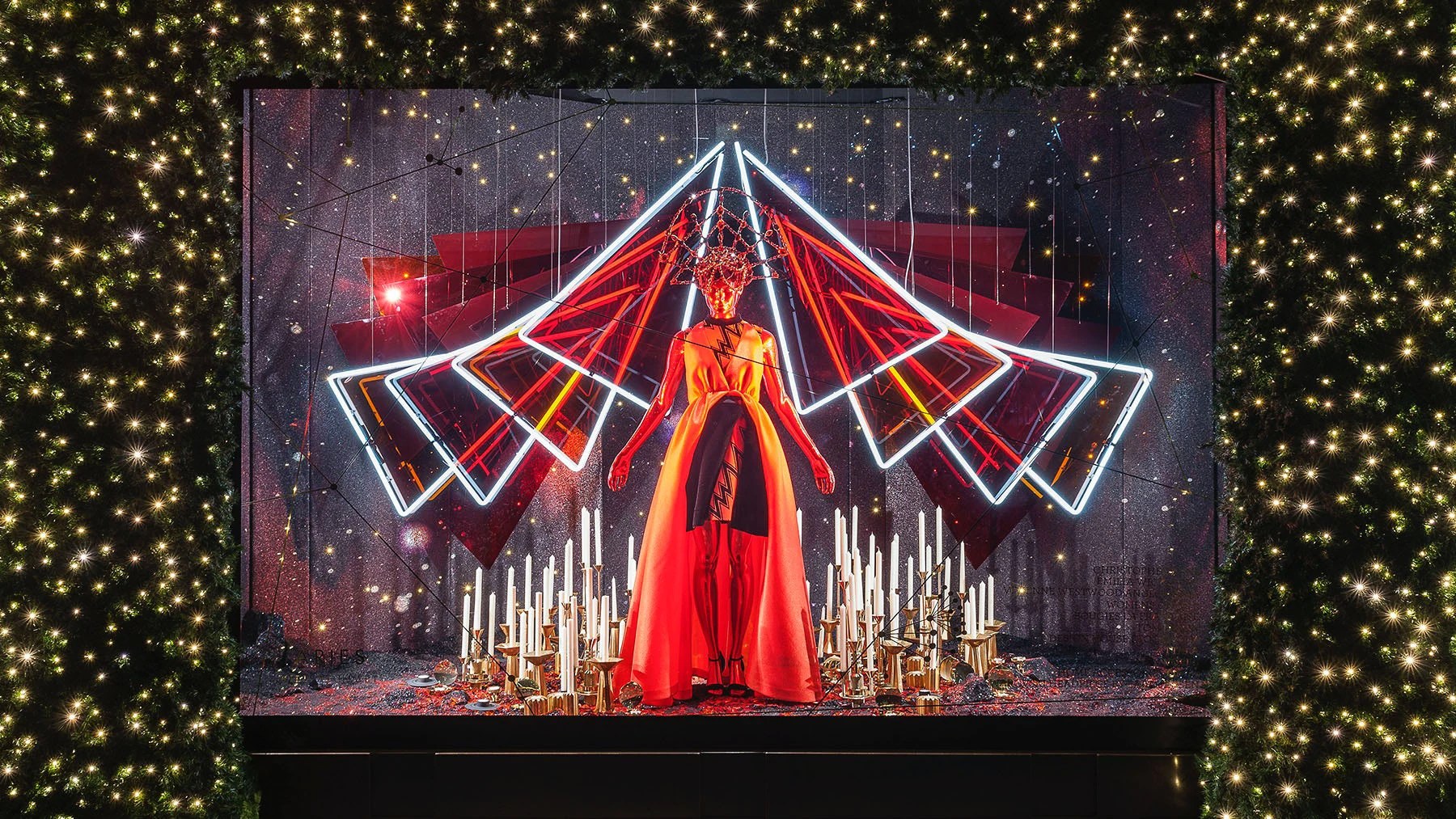
Why is this article key for Visual Merchandising in 2026?

This content is designed (with a special prompt) as cornerstone content because it answers today’s real searches:
- strategic visual merchandising
- visual merchandising with artificial intelligence
- professional window display design
- visual merchandising and store KPIs
- retail brand image audit
- sales-oriented store design
And it does so from a clear perspective: VM is no longer decoration, it’s commercial strategy.
BRAND STRATEGY AND VISUAL MERCHANDISING
1. Translate brand DNA into a coherent visual system

Strategic Visual Merchandising doesn’t interpret the brand: it turns it into a system. A visual system is what lets you recognise a brand without a logo, without text and without context. We’re not talking about style, but about clear rules applied to space: proportion, rhythm, visual density, materiality, lighting, hierarchy.
When these rules don’t exist, every window display becomes an isolated idea and every store a different version of the same brand. A one-off impact, a weak identity.
Here AI doesn’t create identity, but it does help organise it and sustain it over time. Tools like ChatGPT (https://chat.openai.com/) or Claude (https://claude.ai/) let you synthesise scattered briefs, campaigns and guidelines into operational visual principles. Platforms like Notion AI (https://www.notion.so/product/ai) make it easier to document that system and make it accessible to every team. Brands that work this way are understood faster, remembered better and sell with greater consistency. Because in retail, consistency isn’t aesthetics: it’s strategy.
Professional mini-check
- Can I recognise the brand in 3 seconds without seeing the logo?
- Could I swap this design with a competitor’s?
- Is the visual density consistent with the price point?
- Could this system be replicated across 30 or 50 stores without losing identity?
If any answer is no, it’s not a system.
It’s just a good idea.
2. Turn brand values into spatial narrative

A store isn’t a set of zones: it’s a story you walk through. Strategic Visual Merchandising designs the space as a physical narrative where every part plays a role: entrance, development and close. When there’s no narrative, the store becomes confusing. The customer looks, but doesn’t understand; walks, but doesn’t connect. Translating brand values into spatial narrative means deciding what gets told first, what gets reinforced next and what feeling should remain at the end.
AI helps organise that story and spot inconsistencies between zones, especially in large stores or chains with multiple formats.
Essential AI for this point
Professional mini-check
- Does the entrance clearly communicate the brand promise?
- Does each zone carry a distinct message?
- Does the end of the journey reinforce or contradict the experience?
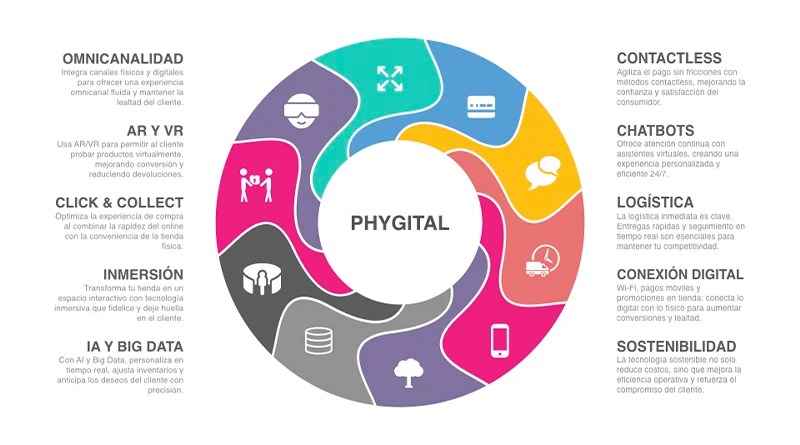
3. Design omnichannel Visual Merchandising (phygital, not optional)

Visual Merchandising no longer lives only in the physical store. Window displays, interiors, ecommerce, social media and campaigns must speak the same language, even if they use different formats. When the message changes from one channel to another, the brand loses credibility. When it’s consistent, it’s reinforced. Today’s VM has to design every piece knowing it will be photographed, filmed, shared and compared. AI makes it possible to adapt messages and visuals without losing identity, speeding up omnichannel consistency.
Essential AI for this point
Professional mini-check
- Can I recognise the campaign both in store and online?
- Does the window display have a «shareable» version?
- Does the message adapt without getting diluted?
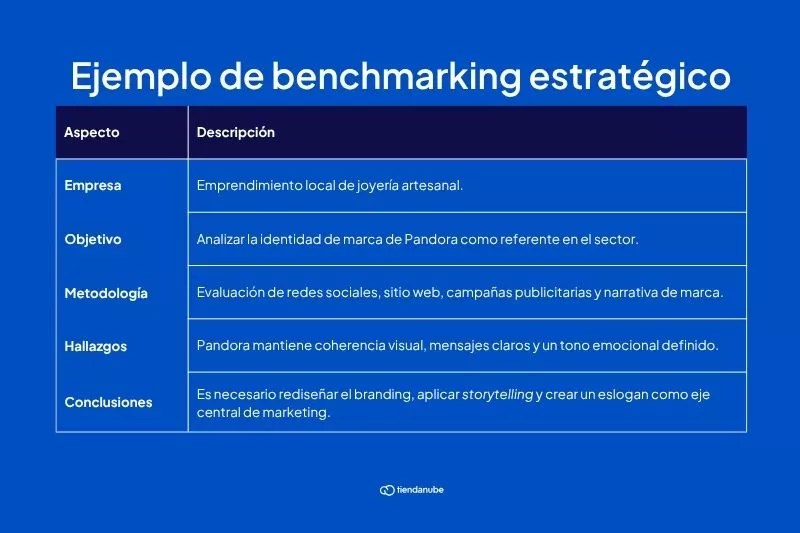
4. Do strategic benchmarking (not collect references)

Benchmarking isn’t inspiration. Benchmarking is positioning. The strategic Visual Merchandiser analyses the competition to understand:
- which visual codes are saturated,
- which territories are already occupied,
- and where a real opportunity for differentiation exists.
Without this analysis, many brands end up looking alike without knowing why. AI makes it possible to analyse large volumes of visual and text data and extract patterns quickly, avoiding decisions based on intuition alone.
Essential AI for this point
Professional mini-check
- What do all my competitors visually have in common?
- What’s already overused in my sector?
- Where can I clearly differentiate myself?
5. Turn creativity into a strategic brief

Creativity without direction is noise. A professional Visual Merchandiser knows how to translate ideas into clear briefs that are understandable and measurable. A good VM brief defines:
- what behaviour it wants to trigger,
- what message needs to come across clearly,
- and how the result will be measured.
AI helps structure solid briefs and eliminate ambiguity, especially when many departments are involved.
Essential AI for this point
Professional mini-check
- Is it clear what should happen after someone sees this design?
- Will I know whether it worked or not?
- Does the whole team understand the same thing?
6. Create and maintain a living brand library

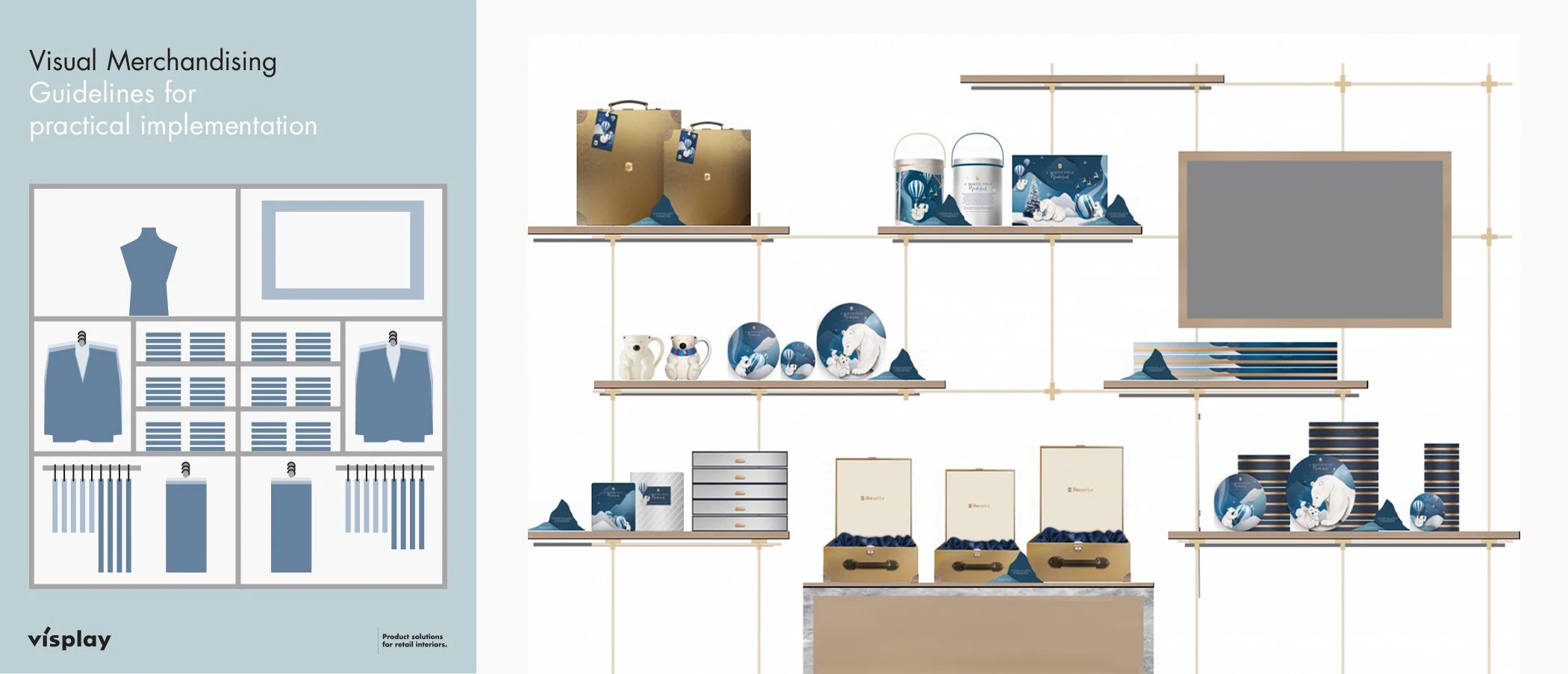
Strong brands document. Weak brands depend on specific people. A living brand library gathers: visual rules (GUIDELINES), strategic decisions, right and wrong examples, lessons learned from past campaigns. AI makes it possible to keep this knowledge up to date and accessible, so every new project doesn’t start from zero.
Essential AI for this point
Professional mini-check
- Could someone else execute this without me?
- Are the rules clear and accessible?
- Is the system updated after every campaign?
At BARRONVISUAL we help brands turn ideas into coherent, scalable and measurable visual systems.
STORE DESIGN AND RETAIL INTERIOR DESIGN
7. Design layouts that sell (not just look good)

Layout is a strategic decision, not an aesthetic one. It determines how the customer comes in, how they move, where they stop and, above all, where they buy. Grid, loop, free-flow or hybrids aren’t styles: they’re commercial tools that must be chosen based on product, margin, experience and operations. A poor layout can make a beautiful store sell less than a mediocre, well-organised one. At BARRONVISUAL we’ve been layout experts for over 25 years.
AI helps simulate scenarios, evaluate flows and anticipate problems before building or refurbishing.
Essential AI for this point
Professional mini-check
- Is the journey intuitive without signage?
- Are there dead zones or visual blockages?
- Does the layout support the expected type of purchase?
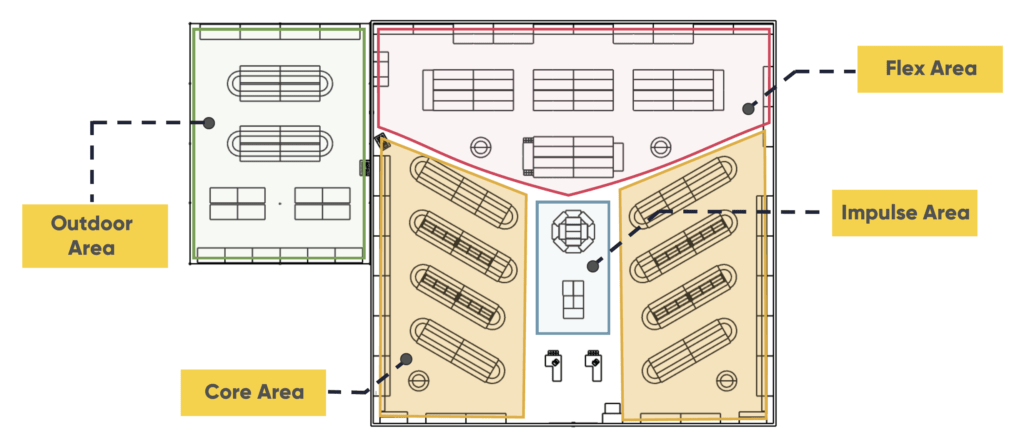
8. Define zones with a clear commercial purpose

Every zone in a store must justify its existence. Inspire, sell, convert, cross-sell products or facilitate service. If it doesn’t serve a clear function, it’s noise. Strategic zoning connects layout to KPIs: not every zone sells the same, nor should it. Some attract, others convert. AI helps cross-reference sales, traffic and dwell-time data to adjust each zone’s role.
Essential AI for this point
Professional mini-check
- Does every zone have a defined objective?
- Are the hot zones being used well?
- Are there zones that take up space but generate no value?
9. Design the architecture of attention

In store, attention is limited. The customer doesn’t see everything. The Visual Merchandiser decides what’s seen first, what comes next, and what can be ignored. Heights, focal points, contrasts, empty spaces and visual rhythm build the hierarchy. Without it, the store becomes tiring and confusing. AI can anticipate which zones and compositions will capture the most attention before the design is executed.
Essential AI for this point
Professional mini-check
- Is there a clear focal point when entering the store?
- Does the eye know where to look?
- Is there a balance between stimulation and visual rest?
10. Use lighting as a brand language

Lighting isn’t technical. It’s narrative. It defines atmosphere, positioning and price perception well before the product does. The same store can look premium or mass-market just by changing the light. That’s why lighting must respond to the brand, not to the lighting supplier. AI helps plan scenes, compare colour temperatures and document replicable standards.
Essential AI for this point
Professional mini-check
- Does the light reinforce the positioning?
- Is there contrast between key zones?
- Does the product look better or worse under this light?
11. Work on materiality and «visual price»
In other words, the exact opposite of this. This, no. What do you perceive here? A lack of judgment. That cheap will turn out expensive.
The customer knows whether a brand is expensive or cheap before looking at the price. They sense it through materials, finishes, joints and order. Materiality isn’t decoration: it’s a message. An excess of «wow effect» materials is usually a symptom of poor judgment. AI is useful for exploring combinations, validating consistency and avoiding impulsive decisions.
Essential AI for this point
Professional mini-check
- Do the materials support the product’s price point?
- Is there consistency between materials and brand?
- Does the space age well with use?
12. Design operable spaces (if it can’t be maintained, it’s bad design)

Good design isn’t the kind that looks perfect on opening day, but the kind that holds up well every single day. Visual Merchandising has to coexist with restocking, cleaning, product changes and staff. When design ignores operations, it degrades fast and loses impact. AI helps create clear guides, SOPs and protocols that make daily execution easier.
Essential AI for this point
Professional mini-check
- Can the team maintain this space without extra effort?
- Is restocking quick and logical?
- Does the design hold up to real-world use?
At BARRONVISUAL we design stores that work in reality, not just in renders: layout, zoning, lighting, materiality and operations aligned with brand and business.
WINDOW DISPLAYS AS A MEDIUM
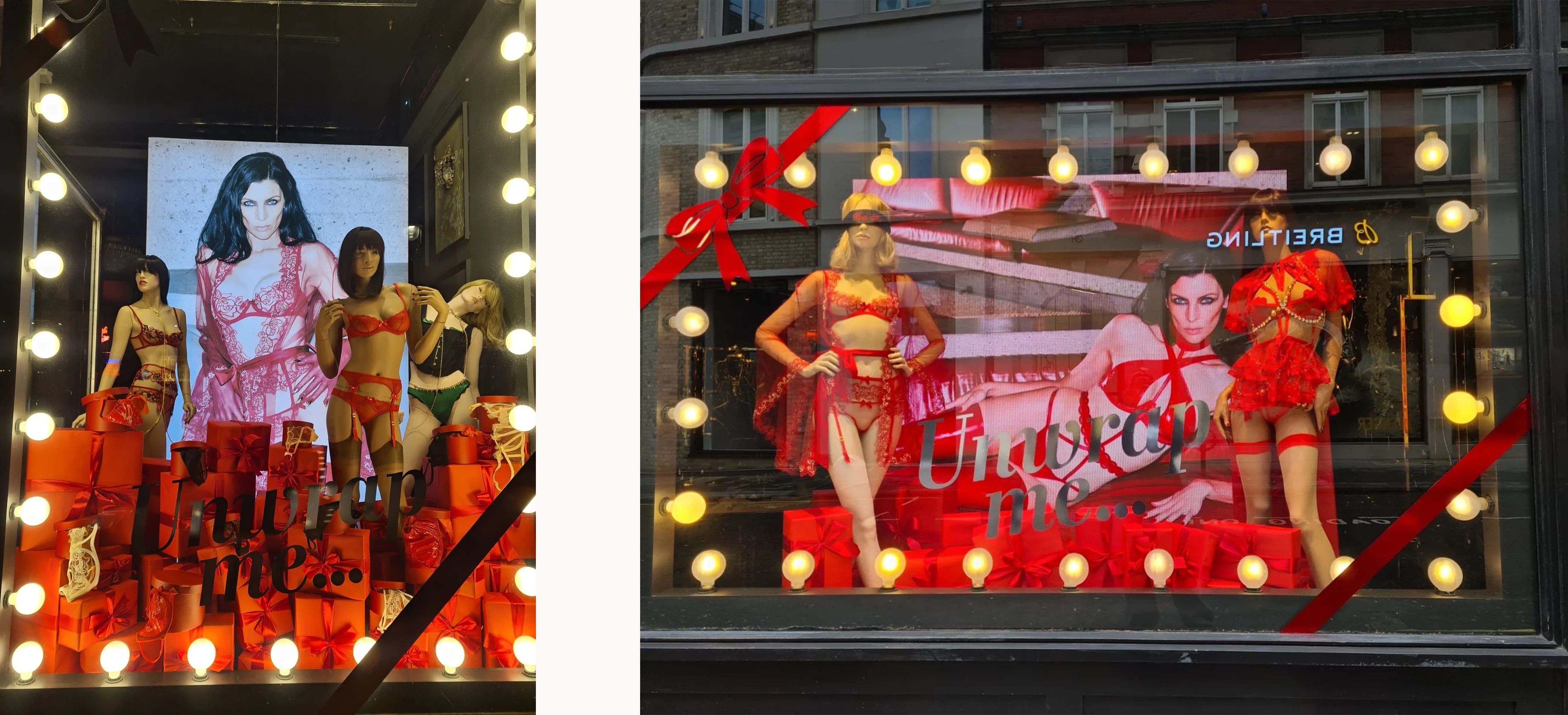
13. Understand the window display as a physical ad (not decoration)

A window display doesn’t exist to be liked. It exists to stop, filter and attract. It’s real-time physical advertising, with barely 3–5 seconds to do its job. When a window display tries to say everything, it communicates nothing. The strategic Visual Merchandiser decides on a single, clear message, aligned with brand positioning and the commercial moment.
AI is useful for quickly exploring concepts and validating whether the main message is understood at a glance.
Essential AI for this point
Professional mini-check
- Is the message understood in under 5 seconds?
- Does the window display filter for the right audience?
- Does it reinforce or confuse brand positioning?
14. Master visual composition and hierarchy

A window display without hierarchy is expensive noise. The eye needs to know where to look first, next and last. Composition isn’t artistic intuition: it’s control over focus, contrast, scale and rhythm. A good window display guides the gaze even when the customer isn’t aware of it. AI can anticipate which zones will capture the most attention before the installation is built.
Essential AI for this point
Professional mini-check
- Is there a clear dominant focal point?
- Does the gaze flow, or does it get lost?
- Is there a balance between impact and legibility?
15. Build scenographic storytelling

A window display isn’t a collage of products. It’s a scene with intent. Like in theatre, it needs context, protagonists and a final message. Scenographic storytelling turns the product into part of a story, not the only argument. That elevates brand perception and generates recall. AI helps structure the narrative and avoid confusing or overloaded stories.
Essential AI for this point
Professional mini-check
- What story does this window display tell?
- Is the product the lead or just an extra?
- Is the final message clear?
16. Prototype the window display before producing it
3D window display model
Improvising with window displays costs money, time and quality. Prototyping lets you anticipate mistakes, adjust proportions and validate impact before the real installation. Today there’s no reason to produce without visualising first. AI and 3D tools speed up this process and make it easier to communicate with teams, clients or management. You need to learn some 3D and how to do 3D with AI.
Essential AI for this point
Professional mini-check
- Is the real scale validated?
- Is lighting accounted for?
- Is the installation clearly documented?
17. Design window displays meant to be photographed and shared

Today the window display doesn’t end at the street. It lives on Instagram, Google Maps, TikTok and WhatsApp. A good window display has to work live and on camera. This doesn’t mean making it pointlessly «viral», but designing it with digital awareness: angles, backgrounds, depth, lighting and a message that reads clearly in a photo. AI helps adapt the window display to audiovisual formats without losing identity.
Essential AI for this point
Professional mini-check
- Does it work well in photo and video?
- Does the message hold up in digital format?
- Does it invite being shared?
18. Create scalable window display systems for store chains

An exceptional window display in a single store isn’t strategy. Strategy begins when the concept can be replicated, adapted and controlled across multiple locations. The strategic Visual Merchandiser designs campaign systems, not one-off pieces. It defines what’s fixed, what’s adaptable and what can’t be touched. AI makes visual auditing and execution control across a store network easier.
Essential AI for this point
Professional mini-check
- Can this window display be adapted to different sizes?
- Are the rules clear for every team?
- Can its correct execution be audited?
At BARRONVISUAL we design window displays that capture attention, build brand and can scale, not simple decorative exercises.
DATA-DRIVEN VISUAL MERCHANDISING AND STORE KPIs
19. Design to convert (not just to impress)

A space can be spectacular and still not sell. When that happens, it’s not design: it’s scenography. Strategic Visual Merchandising designs to trigger specific actions: coming in, stopping, touching, trying and buying. Everything else is secondary. Creativity isn’t measured by applause, but by customer behaviour. AI makes it possible to analyse traffic and sales data to understand which visual decisions actually influence conversion.
Essential AI for this point
Professional mini-check
- Does this design change customer behaviour?
- Which KPI should it improve?
- Can I prove it with data?
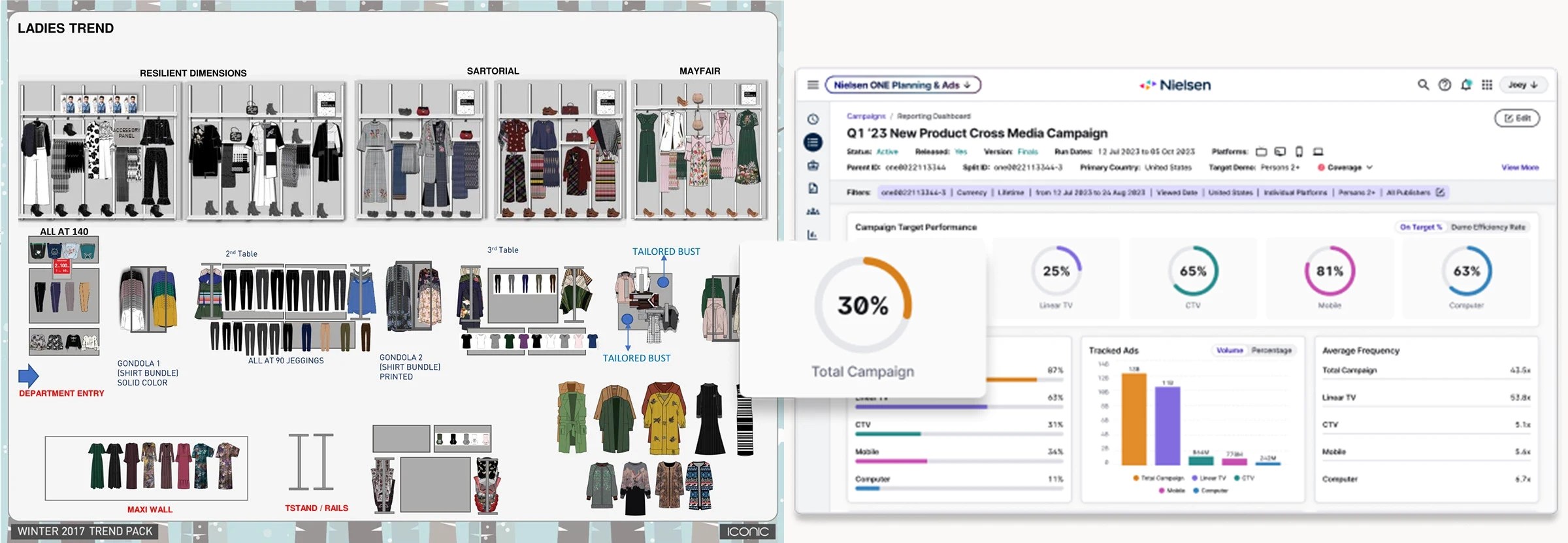
20. Analyse real customer traffic and journey

The customer doesn’t walk the way the designer imagines. They walk however they can, want, or the space allows. Understanding the real journey, where they enter, where they stop, what they avoid, is key to optimising layout, zoning and displays. Without data, it’s all guesswork. AI makes it possible to process large volumes of traffic data and turn them into practical decisions.
Essential AI for this point
Professional mini-check
- Do I know where the customer actually stops?
- Are there zones that get systematically ignored?
- Does the real journey match the designed one?
21. Measure and control VM compliance

If it isn’t executed, it doesn’t exist. A campaign poorly installed in store is a lost campaign, however brilliant the concept. The strategic Visual Merchandiser doesn’t just trust «good execution»: they control execution. Compliance means verifying that what was designed has actually been implemented correctly across every store. AI makes it possible to audit execution visually at scale, without relying solely on physical visits.
Essential AI for this point
Professional mini-check
- Do all stores execute the same way?
- Are deviations detected in time?
- Is there a quick correction system in place?
22. Optimise planograms and display space

Every centimetre of shelf space has a cost and a potential. Professional Visual Merchandising treats space as an economic asset, not a free canvas. Optimising planograms means deciding which product goes where, how much space it takes up and why. It’s not an aesthetic decision, it’s profitability per metre. AI helps analyse sales, turnover and availability to continuously adjust the space.
Essential AI for this point
Professional mini-check
- Does the allocated space reflect real performance?
- Are the bestsellers well placed?
- Is the planogram updated, or just carried over?
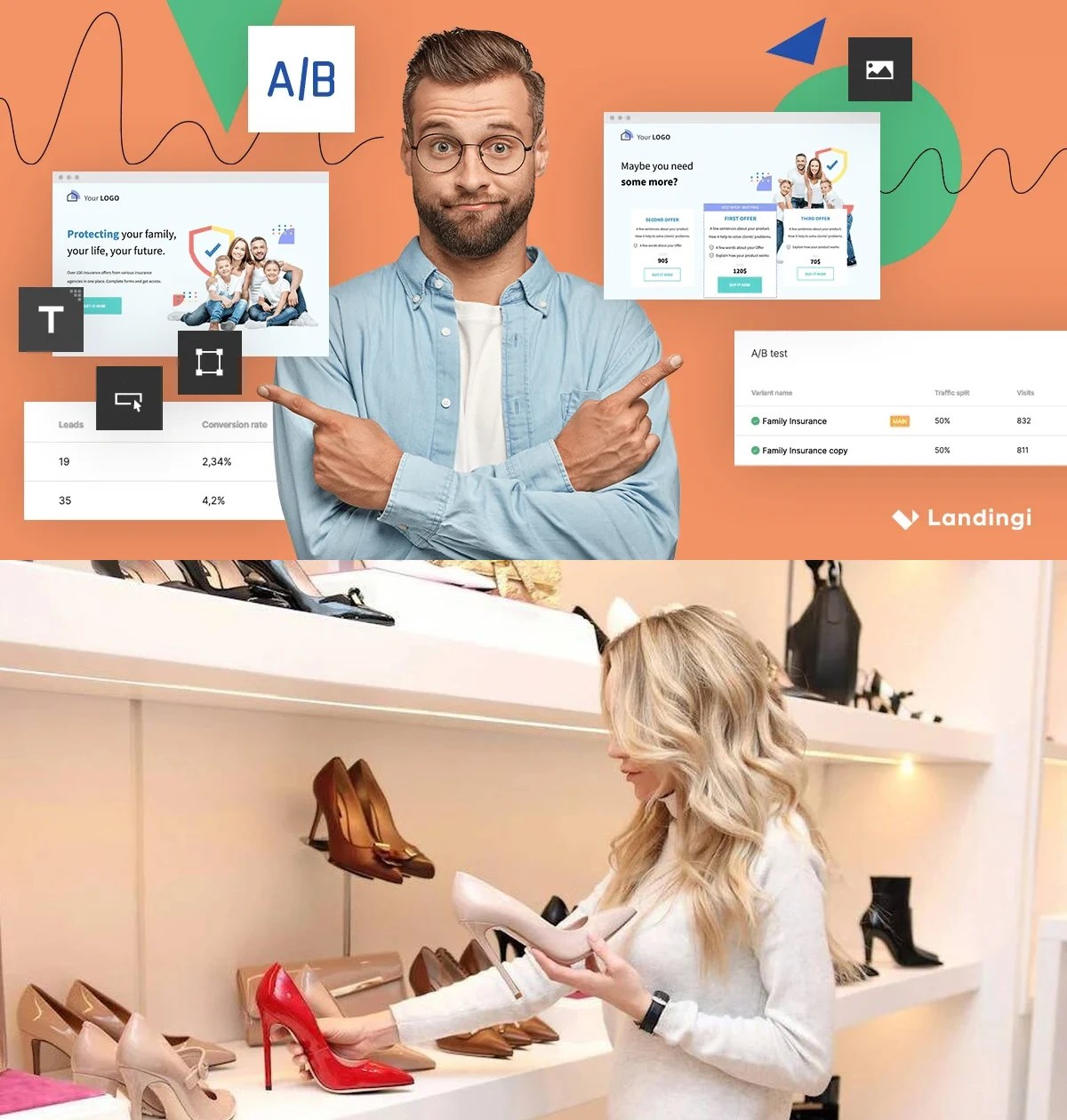
23. Apply real A/B testing in the physical store

In retail, arguing without data is a waste of time. A/B testing lets you compare two versions of a display, layout or window display and measure which one performs better. It’s not about experimenting on a whim, but learning in a structured, continuous way. AI makes it easier to design experiments and interpret results.
Essential AI for this point
Professional mini-check
- Can I compare real versions?
- Are the conditions comparable?
- Am I extracting actionable lessons?
24. Communicate results with clear, convincing reporting

A strategic Visual Merchandiser knows how to explain what they do and why it works. Reporting isn’t a formality: it’s a leadership tool. When the VM speaks in terms of sales, conversion and experience, they stop being operational and become strategic. AI helps turn complex data into clear reports for management, marketing or expansion.
Essential AI for this point
Professional mini-check
- Can my report be understood in 5 minutes?
- Does it connect visual decisions with results?
- Does it help with future decisions?
At BARRONVISUAL we combine creativity, space and real KPIs so Visual Merchandising stops being subjective and becomes a real business lever.
BRANDING, EXPERIENCE AND THE PSYCHOLOGY OF SPACE
25. Build brand through sensory experience

A brand isn’t remembered only for what’s seen, but for what’s felt. Sensory experience, light, sound, materials, smell, temperature, order, builds perceived value well before the product does. Strategic Visual Merchandising understands that every stimulus adds or subtracts. It’s not about stacking layers, but about aligning them with positioning.
AI helps document and standardise these sensory codes to maintain consistency across a store network.
Essential AI for this point
Professional mini-check
- Does the store «feel» like the brand?
- Do the stimuli reinforce or contradict the positioning?
- Is there sensory consistency across stores?
26. Design customer behaviour (not just the space)

Designing a store is designing decisions. Where the customer stops, what they touch, what they avoid and when they buy isn’t chance: it’s a consequence of design. The strategic VM works with principles of spatial psychology and behaviour, not just aesthetics. AI helps analyse movement patterns and adjust design to reduce friction and increase conversion.
Essential AI for this point
Professional mini-check
- Does the space guide or confuse?
- Does the customer know what to do without thinking?
- Are there unnecessary frictions?
27. Understand phygital retail as a funnel, not a trend

The physical store is no longer the end of the process, but a key point in the funnel. It inspires, validates, connects… and routes to other channels. Visual Merchandising has to enable this transition without breaking the experience: QR codes, content, events, community and CRM are all part of the design. AI makes it possible to personalise messages and content at scale, without losing consistency.
Essential AI for this point
Professional mini-check
- Does the store connect with other channels?
- Does the experience continue outside the physical space?
- Is VM integrated into the omnichannel strategy?
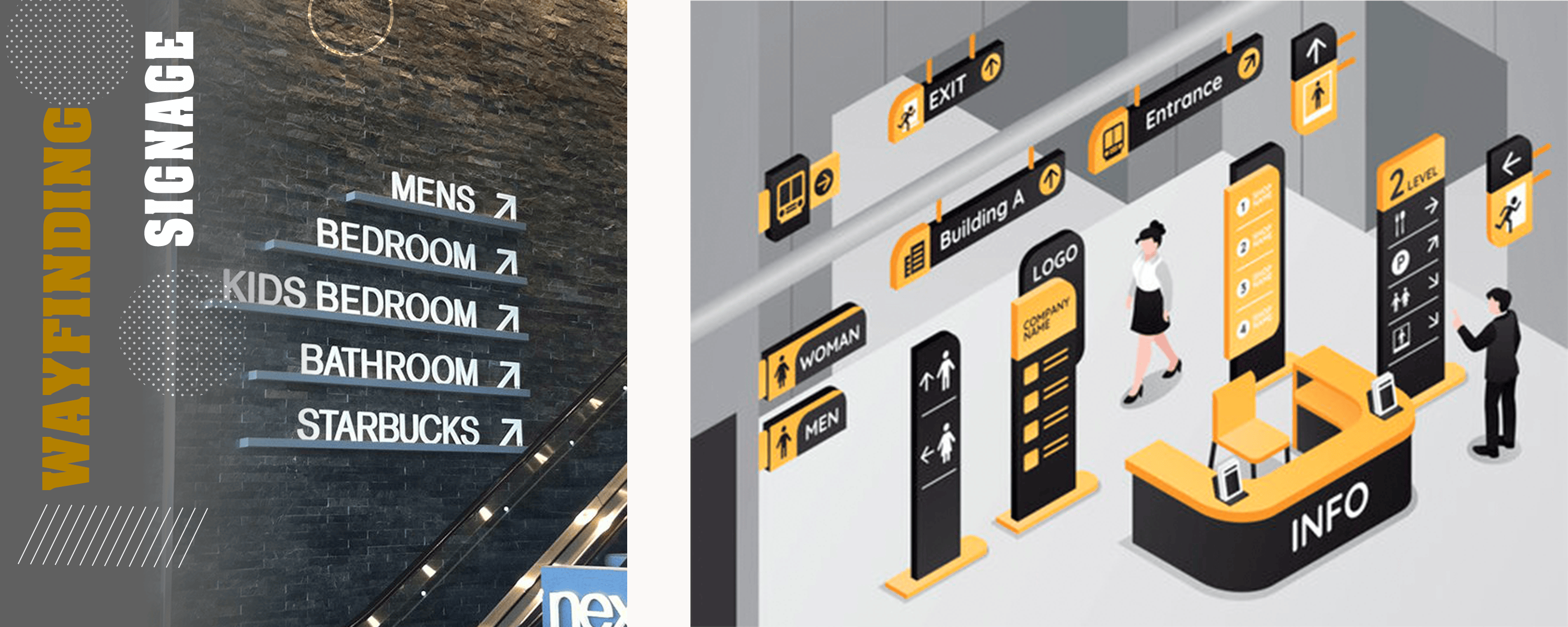
28. Design signage and wayfinding that don’t get in the way

When signage stands out too much, something’s wrong. Good wayfinding guides without imposing, reduces friction and improves the experience. Strategic Visual Merchandising integrates signage, graphics and space as a whole, avoiding an excess of messages. AI helps simplify information and maintain verbal and visual consistency.
Essential AI for this point
Professional mini-check
- Can the customer find their way without asking?
- Is the information clear and necessary?
- Does the graphic design respect the brand identity?
29. Document, photograph and turn the store into content

A well-documented store is a store that learns. Photography and video aren’t just marketing: they’re tools for continuous improvement. Strategic Visual Merchandising documents in order to analyse, compare and evolve, not just to publish. AI speeds up the creation, editing and adaptation of content.
Essential AI for this point
Professional mini-check
- Is the store documented systematically?
- Does that content help you learn?
- Does the message hold up across all formats?
30. Measure while respecting privacy and ethics

Measuring doesn’t mean invading. Modern Visual Merchandising must understand the legal and ethical limits of behaviour analysis. A poorly designed data strategy damages trust and the brand. AI can help work with aggregated, anonymous data, as long as the system is well designed.
Essential AI for this point
Professional mini-check
- Is the data anonymised?
- Does the customer feel watched, or looked after?
- Does the brand act transparently?
At BARRONVISUAL we design brand experiences that are consistent, sensory and measurable, without losing sight of either the customer or the business.
OPERATIONS, TEAM AND PROFESSIONAL EVOLUTION
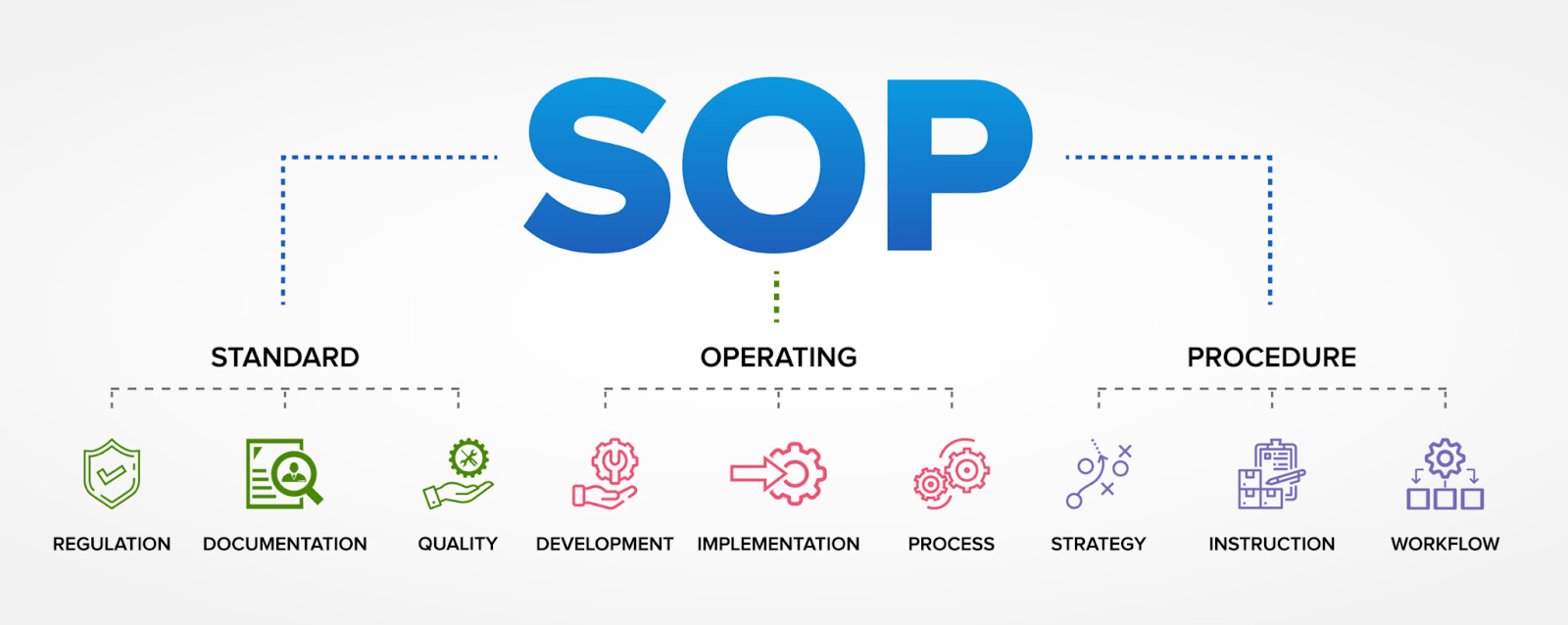
31. Turn Visual Merchandising into an operating system
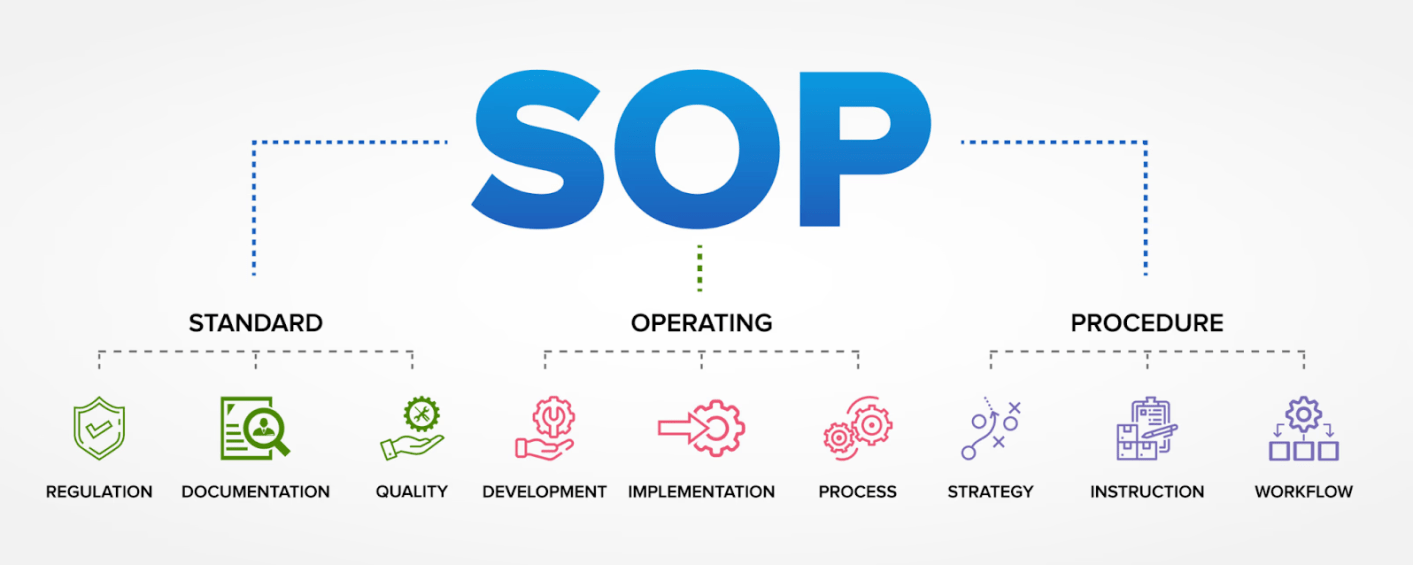
VM can’t depend on individual talent. It needs clear processes, guides and standards that guarantee continuity. AI makes it easier to create and update SOPs that everyone can understand.
Essential AI
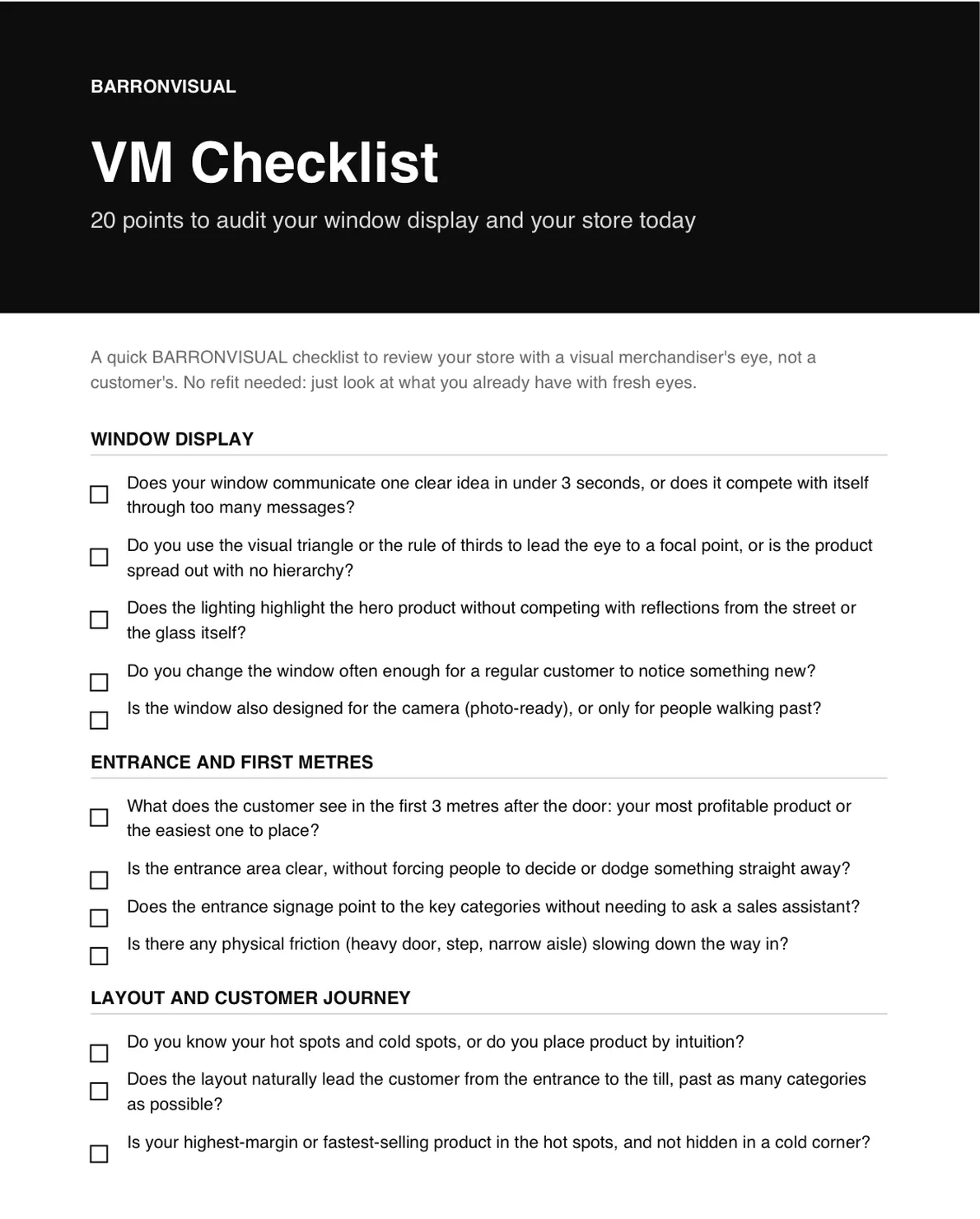
32. Constantly audit the store’s image

Consistency erodes little by little. That’s why auditing isn’t about hunting for mistakes: it’s about protecting the brand. AI enables more frequent, more objective visual audits.
Download the PDF of this Visual Merchandising Audit Guide, made by Leafio.ai, here
Essential AI
33. Control execution with compliance systems

Designing without controlling execution is pointless. The strategic VM closes the loop between design and reality.
Essential AI
34. Train teams capable of keeping up the standard

A perfect store degrades fast without training. VM has to design with who will execute it in mind too.
AI enables ongoing training that’s clear and accessible.
Essential AI
35. Manage retail projects from start to finish

Visual Merchandising is also:
- budgets,
- deadlines,
- suppliers,
- maintenance.
AI helps organise, prioritise and communicate.
Essential AI
36. Evolve from executor to strategist

This is the final point… and the most important one. Today’s Visual Merchandiser doesn’t wait for instructions: they propose, measure and lead.
AI doesn’t replace this role. It amplifies it.
Final mini-check
- Do you understand the business, or just the display?
- Do you speak in KPIs, or in personal taste?
- Are you seen as an executor, or as a strategist?
IF YOU’VE MADE IT THIS FAR, YOU’VE EARNED THIS: BONUS TRACK
BARRONVISUAL MANIFESTO:
Window display design and Visual Merchandising aren’t disappearing. But they’re ceasing to be merely decorative.
Artificial intelligence hasn’t arrived to make window displays prettier, but to expose who understands retail and who merely decorates it. Today anyone can generate striking images. Very few know how to turn a space into a strategic decision. The new Visual Merchandising doesn’t work to please, but to build brand, direct behaviour and move results. It stops being a matter of opinion once it’s measured, justified and connected to the business.
AI doesn’t replace the Visual Merchandiser. It works as a filter: it multiplies those with judgment and leaves behind those who hide behind subjectivity.
At BARRON VISUAL we don’t sell window displays or passing trends. We design identity applied to space, experiences with intent, and visual systems that can be scaled, measured and defended.
This article isn’t a task list.
It’s a boundary between the Visual Merchandising that used to be done… and the one the market demands today.
This article is no longer content.
It’s positioning.