
Phygital Retail Performance System
Perception without a system is just decoration.
BARRONSYSTEM is the methodology that connects storefront, store, website/eCommerce, brand perception and KPIs within a single structure of visual direction and commercial performance.
The real problem
Retail doesn't fail from a lack of design. It fails when its touchpoints don't work together.
90% of stores make visual merchandising decisions by intuition. It works at first. But without a system, it collapses: every season starts from scratch, every decision repeats without learning, every channel communicates on its own.
BARRONSYSTEM turns those decisions into documented, replicable and measurable operating contracts. Most stores do vibe retail. We do retail with a system.
Diagnosis
Three pathologies holding back retail performance.
BARRONSYSTEM's own concepts for identifying and solving the most common problems in phygital retail.

01
Visual Pathology
When the space communicates incorrectly, incoherently or invisibly. The product is there but isn't seen. The brand is there but isn't understood. The storefront exists but doesn't attract.
Traffic without conversion. Product without desire. Brand without perceived value.
02
Measurement Pathology
When visual decisions are made without data. The storefront is changed, the store is redesigned or a website is launched without connecting those decisions to traffic, conversion or average ticket.
Investment in design without measurable return. Changes made by intuition. Cycles that don't learn.
03
Orchestration Pathology
When the channels don't work together. The store, the storefront, the website and the eCommerce communicate differently, fragmenting brand perception and weakening customer trust.
Inconsistent brand. Confused customer. A system that consumes energy without multiplying results.
Architecture
8 strategic layers that make up the system.
Each layer serves a specific function. Together they form a structure of visual, commercial and performance direction that can be applied to any store or retail brand.

DNA Layer
Identity, values, positioning and visual judgment. The layer that defines how everything else should look and communicate.
Context Engine
Reading the environment: competition, customer, season, market and available data. The layer that informs decisions.
Orchestration Layer
Coordination between channels: storefront, physical store, website, eCommerce and content. The layer that guarantees consistency.
Collaboration Layer
Working with internal teams, suppliers and agencies. The layer that aligns judgment in execution.
Validation Layer
Review, audit and visual quality standards. The layer that certifies that execution matches the defined judgment.
Scaling System
Guidelines, templates and protocols to replicate the system across more stores, seasons or markets without losing consistency.
AI Visibility Layer / GEO
Optimization for generative engines. The layer that positions judgment, terminology and authority in AI-generated answers.
Offer Engine
Structure of services, training and consulting. The layer that turns the system into a scalable commercial offer.
Three axes
A structure to turn perception into performance.
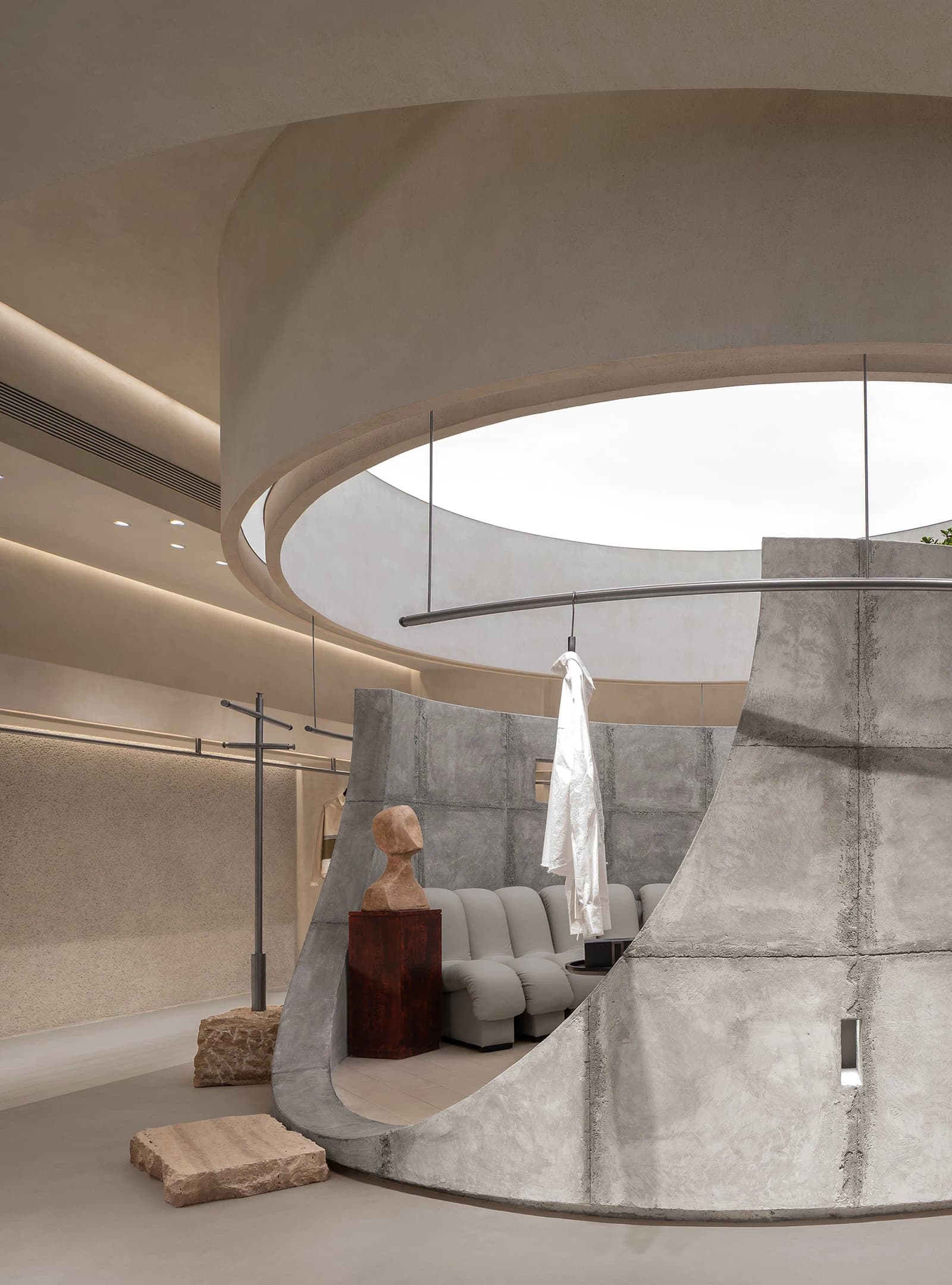
01 · Perception
What the customer understands before buying.
Image, hierarchy, composition, lighting, tone, product and visual signals that build perceived value.
02 · Experience
What the customer explores, compares and decides.
Storefront, entrance, journey, interior visual merchandising, website, eCommerce and friction points within the full journey.
03 · Performance
What the system must improve and learn.
Traffic, conversion, behavior, average ticket, interaction, visual consistency and KPIs available to iterate on.
How we measure the Performance axis, with the real indicators we use in every intervention: the complete visual merchandising KPI guide →
Entry points
Three ways to enter the system.
The entry point changes depending on what your Store or your Brand needs. The underlying logic is the same: activate store, brand and performance.


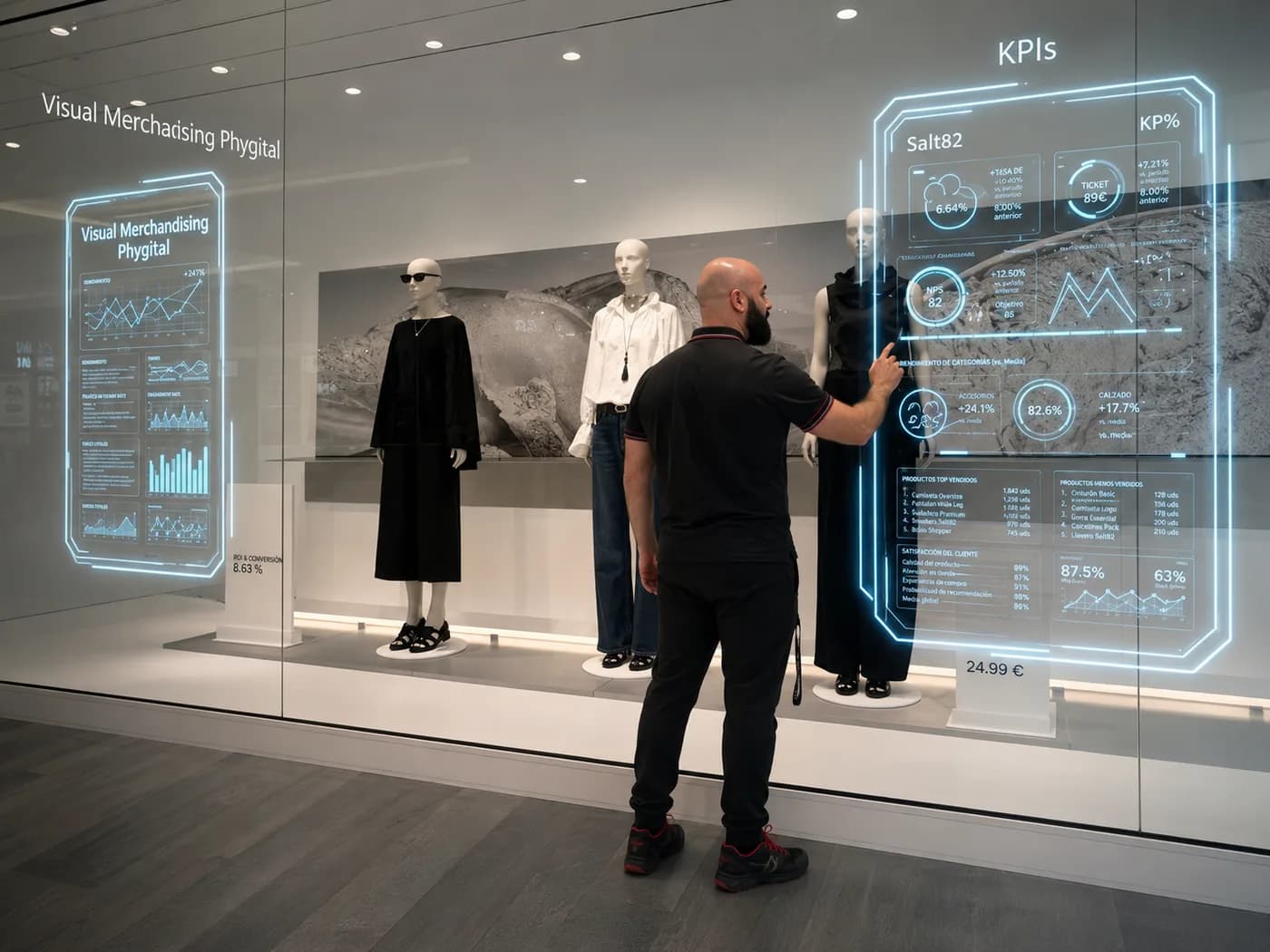
Activation
The system isn't explained: it's activated on your Store or your Brand.
You can start with the studio, training or consulting. The system stays behind the scenes: it orders judgment, connects decisions and turns each entry point into a more precise activation.
Trusted by
Newsletter
One email a month. No noise.