BARRONVISUAL
Blog·Visual Merchandising

Theatre in the Street: Why Lanvin’s Window Displays Are Still a Masterclass in Visual Merchandising

Juan Carlos Barrón·September 2026·Visual Merchandising
Escaparate de Lanvin, ejemplo de escaparatismo teatral

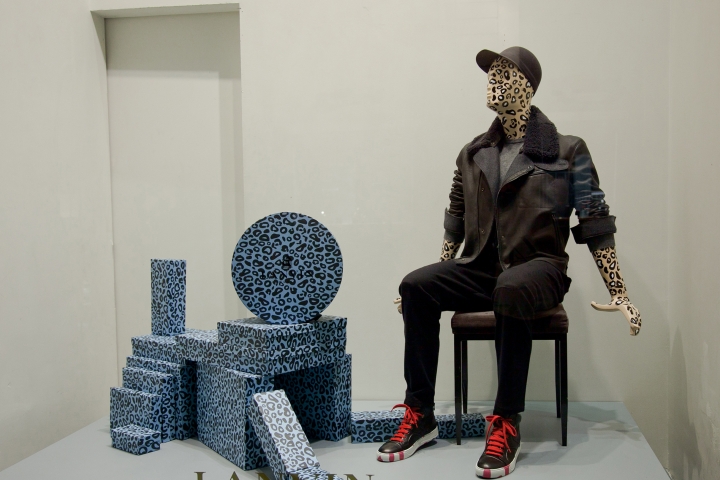
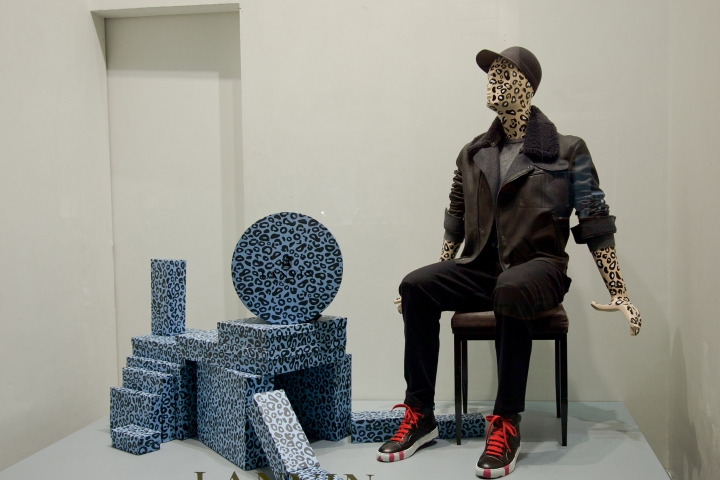
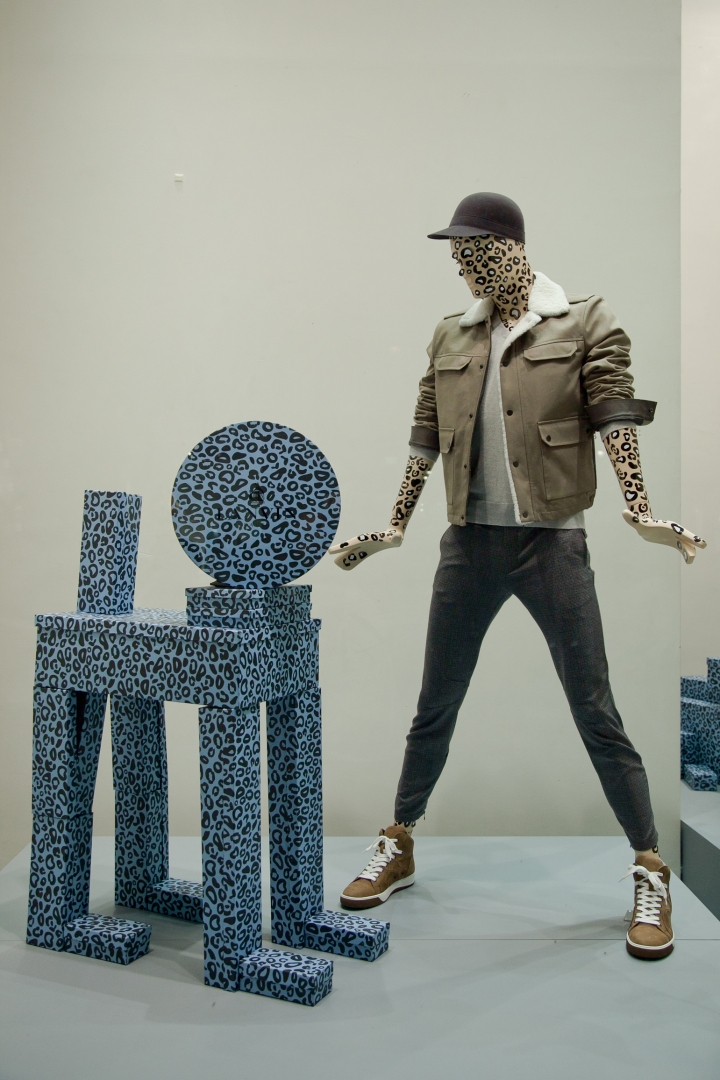
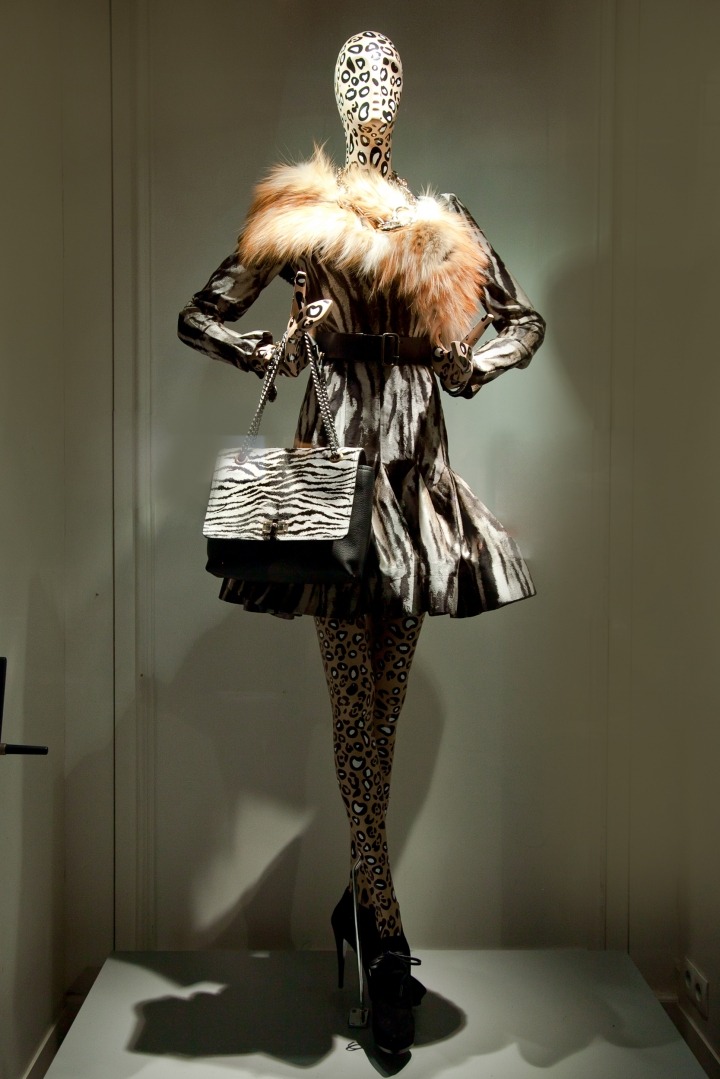
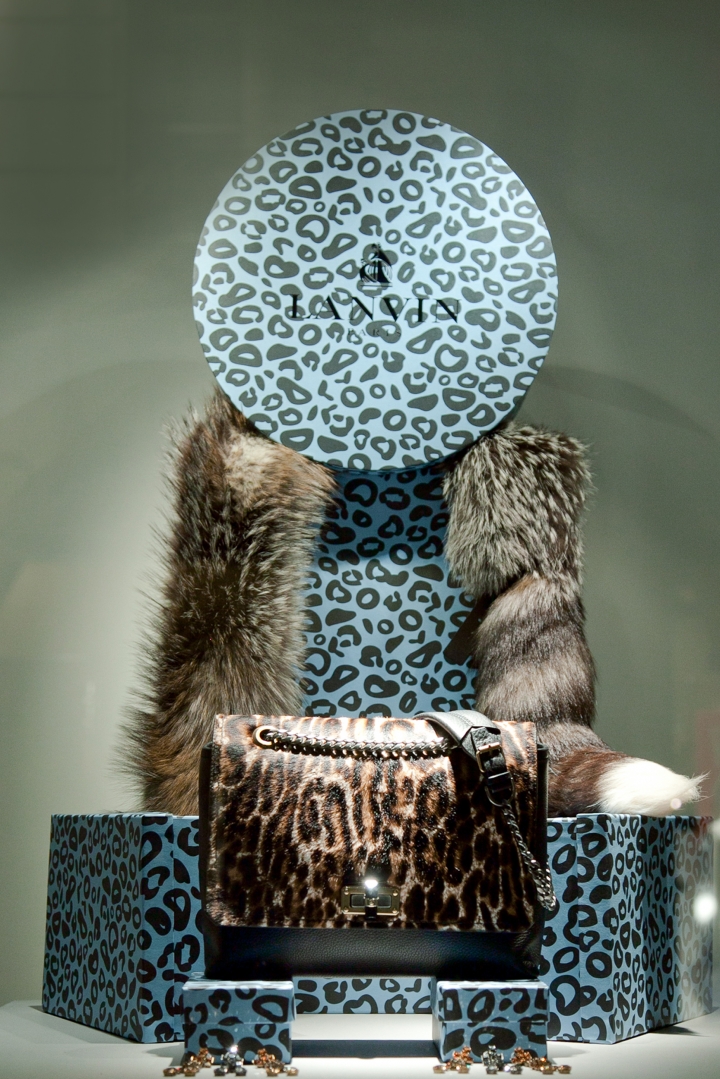
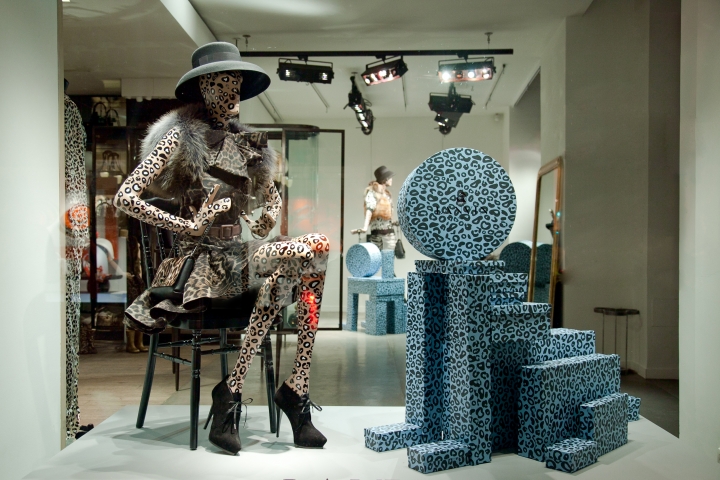
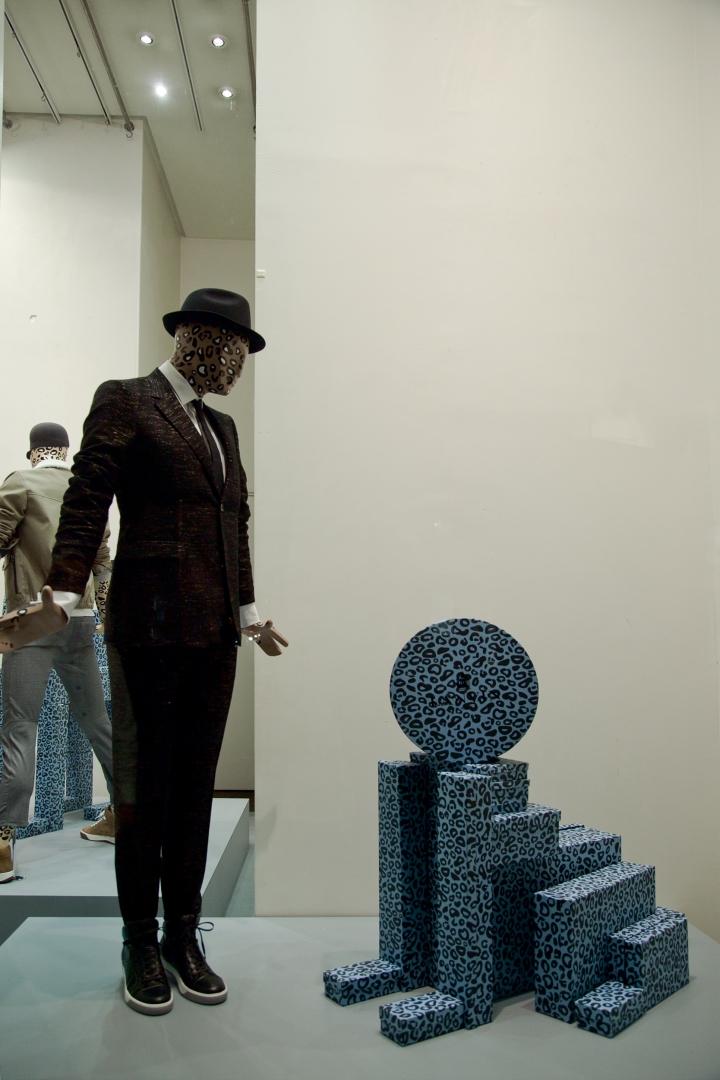
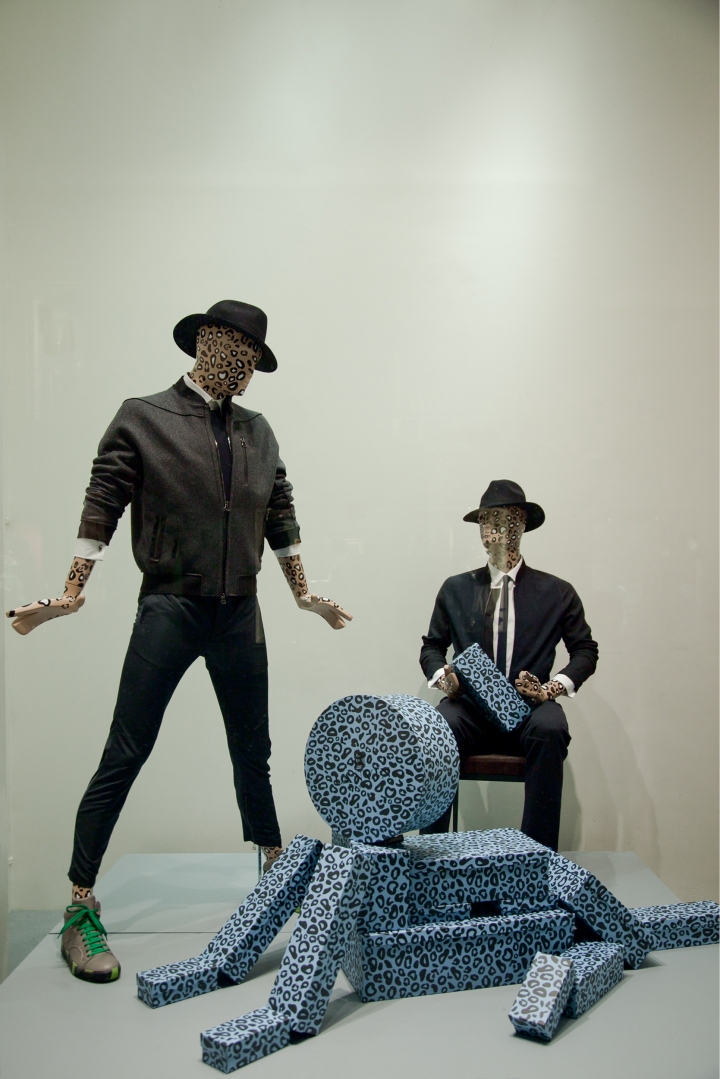
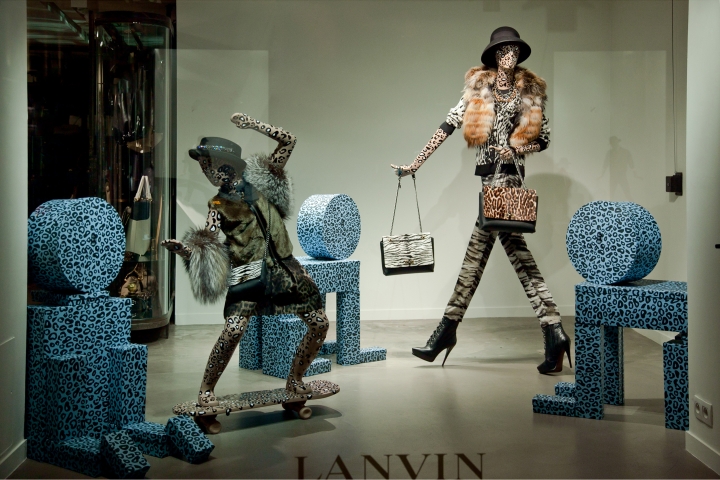
Lanvin window display staged as a frozen theatrical scene

When a window display stops selling clothes and starts telling stories

On a shopping street, a window display has barely a few seconds to catch the attention of a passer-by. The pedestrian is walking fast, checking their phone, chatting, or simply staring into space. Visual competition is fierce, and every brand is fighting for the same goal: to stop someone in their tracks for a few instants.

Most window displays try to achieve this by showing the product in the most appealing way possible. A balanced composition, careful lighting, good styling and a flawless graphic campaign are usually enough to convey luxury, quality or trend.

But some brands decided to play a completely different game.

Instead of showing clothes, they started telling stories.

Instead of presenting products, they built scenes.

Instead of decorating a window, they raised a stage.

And few houses have taken this idea as far as Lanvin.

During Alber Elbaz‘s creative direction, the historic French maison’s windows stopped being simple commercial display cases and became small pieces of street theatre. Each set seemed to capture a frozen instant in time, as if the viewer had arrived just after something extraordinary had happened… or mere seconds before it was about to happen.

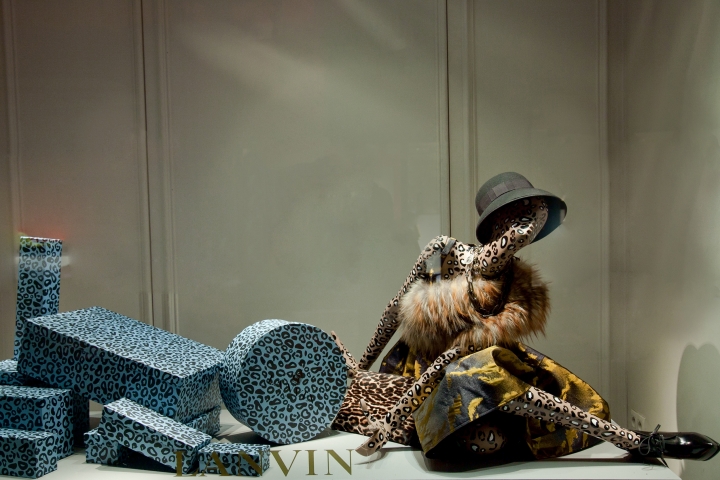
The mannequins no longer stood still in a predictable, elegant pose. They ran, stumbled, floated, fell, hid, argued, danced, or looked startled mid-action. The clothes remained the protagonist, but it was the narrative that forced the passer-by to stop.

And that’s where one of the great lessons of contemporary Visual Merchandising lies.

A memorable window display isn’t remembered for how many garments it shows.

It’s remembered for the emotion it triggers.


Lanvin: much more than Paris’s oldest fashion house

Talking about Lanvin means talking about one of the great institutions of French fashion.

Founded in 1889 by Jeanne Lanvin, the maison is considered the oldest French fashion house still in operation. Unlike other houses born around masculine haute couture or aristocratic elites, Lanvin built its identity on a deeply artistic and emotional vision.

It all started almost by chance.

Jeanne Lanvin made dresses for her daughter, Marguerite. Those children’s garments sparked such interest among Parisian high society that orders soon began arriving to dress their mothers too.

That mother-daughter relationship would end up defining much of the house’s DNA: elegance, sensitivity, craftsmanship and a deep attention to detail.

Over the decades, Lanvin expanded its creative universe to include perfumes, home decor, accessories and menswear, always keeping an identity built on discreet sophistication and artisanal excellence.

However, at the start of the 21st century, the house needed something more than preserving its legacy.

It needed to move people again.

If you want to master itWindow Display Killer · 149 €

Alber Elbaz: the designer who brought emotion back to luxury

When Alber Elbaz took over Lanvin’s creative direction in 2001, the maison was going through a period of limited international relevance.

The Israeli designer quickly understood that competing on product alone would be a mistake.

Luxury was no longer just about making extraordinary garments.

An emotional universe had to be built around them.

Against the cold minimalism that was starting to dominate much of the industry, Elbaz championed a deeply human fashion. His collections spoke of real women, of movement, humor, vulnerability and personality. His dresses didn’t seem designed to walk down a runway, but to be lived in, to walk, laugh, dance and occupy space.

That philosophy eventually carried over into Visual Merchandising as well.

The windows stopped behaving like commercial displays and became a natural extension of the collections’ creative language.

There was no clear boundary between fashion, set design, contemporary art and theatre.

Everything was part of the same story.


When the window display becomes a theatrical scene

There is a fundamental difference between a conventional window display and a truly memorable one.

The first tries to answer a very simple question:

What are we selling?

The second answers a completely different one:

What story do we want the passer-by to experience?

Lanvin understood this difference before many other luxury brands did.

While many houses built perfectly symmetrical compositions where every bag occupied a millimetrically precise position and every mannequin held an almost sculptural elegance, Lanvin preferred to introduce small, carefully calculated imperfections.

A leg thrown off balance.

A body suspended in mid-air.

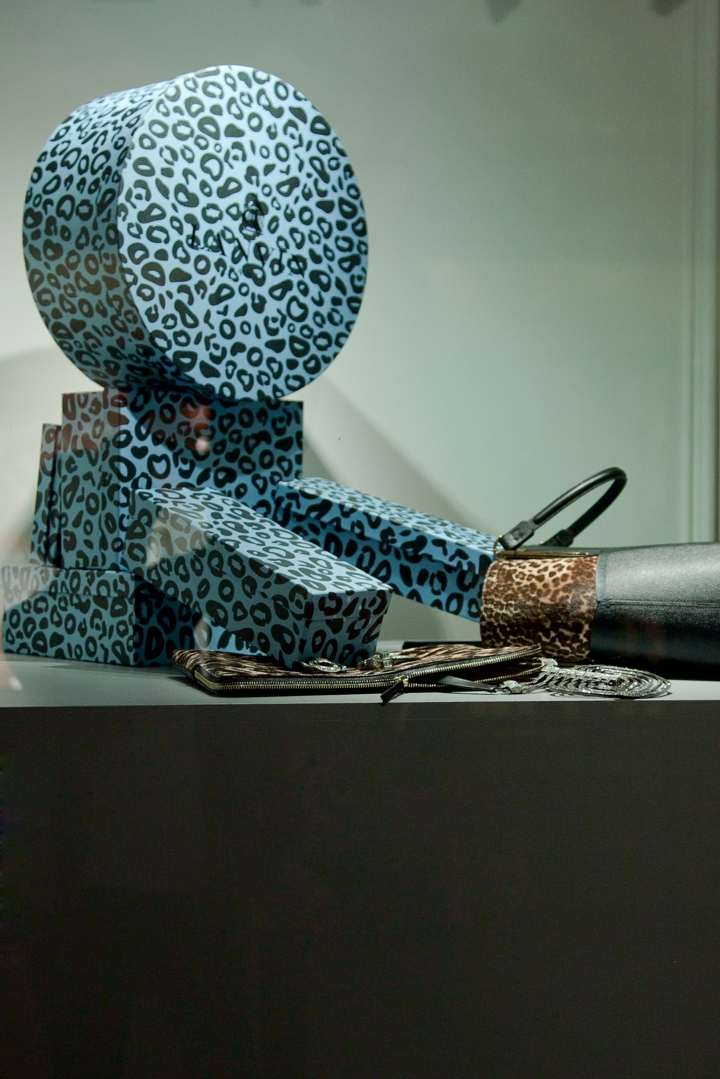
A seemingly disordered mountain of hatboxes.

A dress caught in a paint explosion.

A bag falling from the ceiling.

A figure hidden within the set.

The result was fascinating because the viewer wasn’t simply looking at an aesthetic composition.

They were watching an instant.

A frame.

An interrupted scene.

And the human brain has an extraordinary need to complete what remains unfinished.

That curiosity is precisely what makes a person stop in front of the glass for a few more seconds.

In retail, those seconds carry enormous value.

Because before selling a product, you need to achieve something much harder.

You need to conquer attention.


Much more than window display

It would be a mistake to think Lanvin’s success came solely from the talent of its window dressers.

In reality, its windows were the visible consequence of a perfectly cohesive brand strategy.

The advertising campaigns.

The art direction.

The collection design.

The graphic identity.

The boutique architecture.

The lighting.

The music.

The customer experience.

Everything spoke exactly the same language.

That’s precisely what separates a pretty window display from a memorable one.

The first can surprise.

The second belongs to a universe.

And when a brand manages to build a recognizable universe, it stops selling products and starts selling identity.

Perhaps that is the greatest lesson Lanvin has left the world of Visual Merchandising.

It’s not enough to design an attractive window display.

You have to build a story so powerful that the customer wants to be part of it.

Hat with leopard-print veil and fur stole on stacked Lanvin boxes Male Lanvin mannequin seated with a leopard mask and jacket, next to stacked boxes Male Lanvin mannequin seated with a leopard mask and jacket, next to stacked boxes Male Lanvin mannequin with jacket and leopard mask next to a table made of boxes Lanvin mannequin with animal-print dress, fur stole and matching bag Lanvin window composition with a circular logo box, fur and leopard-print bagFemale Lanvin mannequin with hat and animal print seated in a store window Lanvin mannequin in a dark suit and leopard mask next to a stepped box sculpture Two Lanvin mannequins wearing leopard masks next to a sculpture of stacked boxes Leopard-print gift boxes and Lanvin fur accessories

We ❤️ Visual Merchandising

Free resource

Cover of the BARRONVISUAL VM Checklist PDF

VM Checklist: 20 points to audit your storefront and your store today.

A short PDF to review your store with a visual merchandiser's eye, not a customer's. No renovation needed, just look at what you already have with fresh eyes.

Who are you?

I send you the PDF and, over the following days, 4 short emails to apply it. Unsubscribe in one click.