💔 The retail world has spent years living through a painful betrayal. The day Inditex decided to shut down its global window display department, it didn’t just lay off professionals with 30 years of experience (no farewell, straight out onto «ze bloody street,» pronounced with a thick Franco-German accent, the way my old boss at Zara France, Joelle, used to say it) — it tore out its own brand identity. It was a decision driven by the new leadership’s obsession with «posting good numbers» and «cutting costs.»
What was once a house with its own recognizable visual language in its windows has today dissolved into a purely functional aesthetic, exercises in mere visual filler, and an automatism that puts logistics ahead of magic.
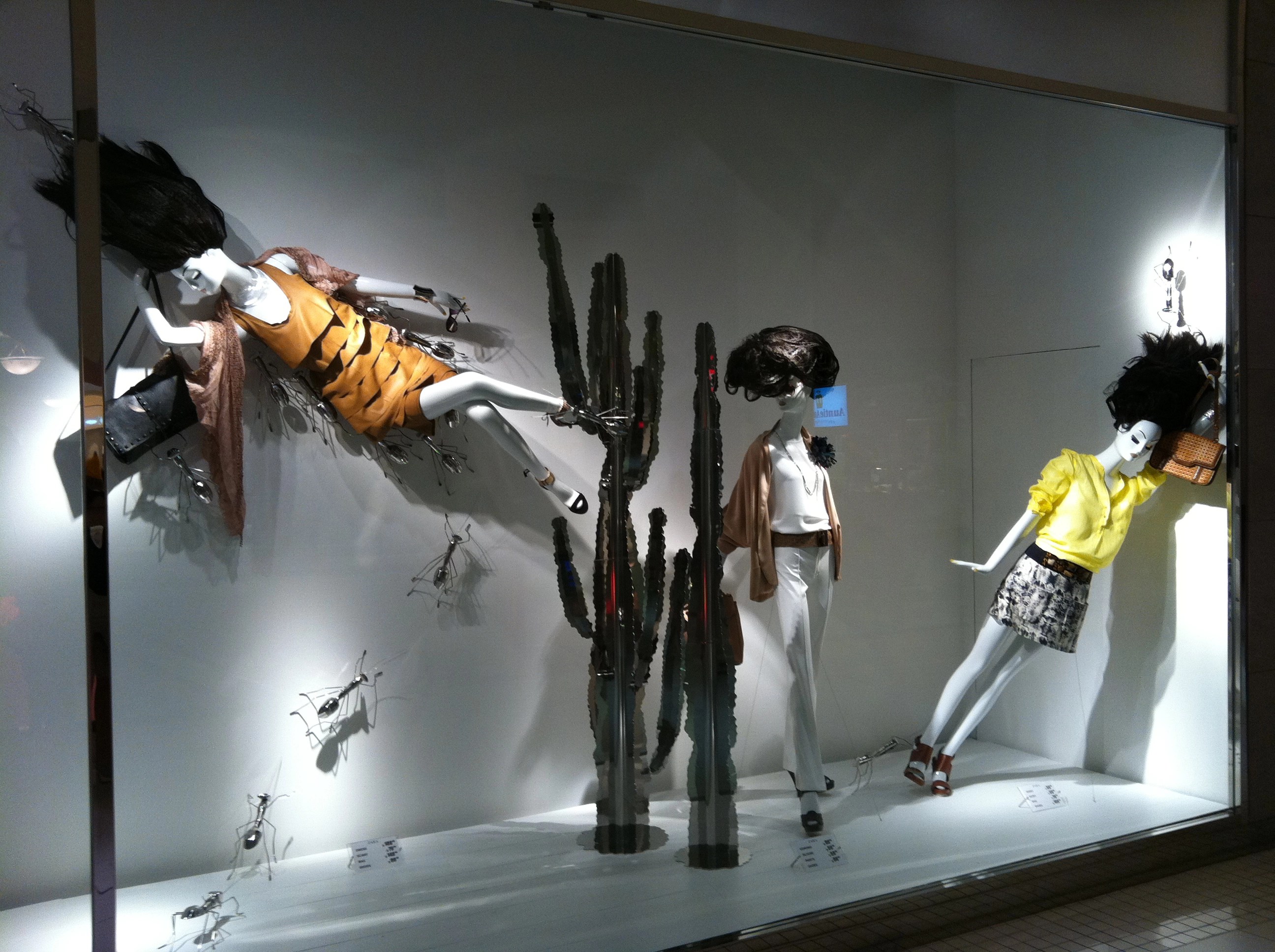
The Collective’s Grief: Ephemeral Art vs. Instant Numbers
This act of «savage capitalism» has caused deep pain across the visual merchandising community, which sees window display as the art that builds a brand’s intangible value.
- The Ephemeral Art Gallery: As Juan Carlos Barron Garcia laments, real window display work was never an expense; it was an investment in the brand’s soul, the only ephemeral art gallery on the street, one that would stop you in your tracks and make you feel there was a story behind it. That art «built the mystique, the intangible value, the loyalty.»
- The Voice of Experience: Montse Ortega, a veteran of the industry, describes this moment as «our community’s grief»: we are the last generation that understands the window display as discourse, not just support material. Both voices agree: «There’s no sales growth without emotion. And no emotion without window display.»
🎯 When Tactics Score a Point (and Identity Loses the War)
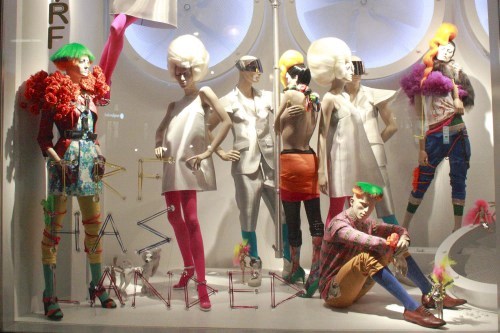
Despite the general abandonment of visual identity, there are flashes that recall the «old school.» The recent ZARA x Disney collaboration is one of those rare gestures that recovers some aesthetic intention and coherence, even if it isn’t revolutionary.
In these rare moments, you can see the tactics that should govern good design:
- Simplicity: An absence of visual noise and excess, letting the pieces breathe.
- Structure: A clear construction that gives the scene presence without relying on sheer quantity of product.
- Consistency: Global-scale repetition that reinforces the message and the identity.
- Care: Investment in materials and finishes that steer away from «cheap cardboard.»

💀 The Triumph of Logistics: A Cruel Warning
To everyone who argues that «the numbers vindicate the decision» and that Inditex is a synonym for success, the answer is brutal, no punches pulled: «they’re completely right.»
The new retail motto seems to be: «we should swap the window displays for one giant spreadsheet with projected EBITDA.»
This critique points to the fatal error:
«Selling today at the expense of the image is mortgaging tomorrow. It’s the beginning of the end.»
By sacrificing the ability to move people and create desire, the brand has burned through its most valuable asset: its identity. The holding company believes the customer walks in out of sheer habit, treating the store as an «elegant warehouse.»
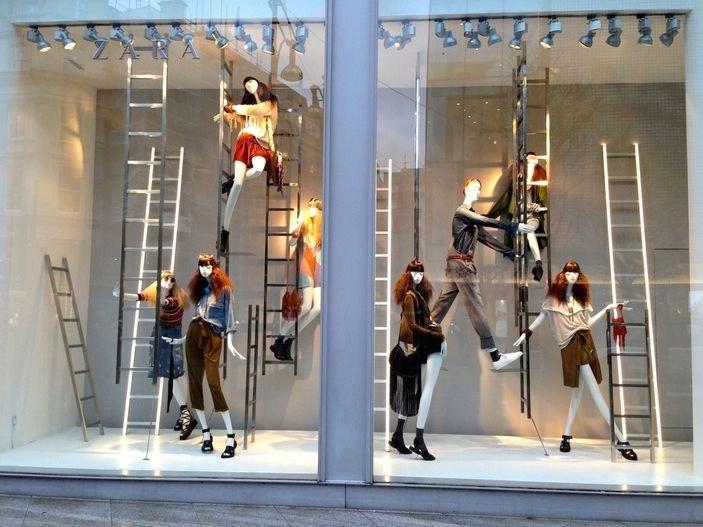
But desire is what makes people pay more. If art is liquidated for the quarterly balance sheet, the brand goes from being a style reference to simply being a «clothing utility.» The money printed on its balance sheets won’t replace the mystique that’s been lost.
💔
Long live Doris, R.I.P.
THANK YOU TERESA, TEO, NACHO, ENRIQUE AND JOELLE.
We ❤️ Visual Merchandising