Turning a jewel into a visible, emotional and coherent experience, both in store and online, is one of the most demanding exercises in visual merchandising. Jewellery isn’t sold only on its sparkle or its material: it’s sold on the moment it commemorates, the emotion it evokes and the lifestyle it represents. Every piece is, at its core, a micro-event that needs to be told well.
A good example of this is Van Cleef & Arpels’ Fée Ondine automaton, presented at Homo Faber (Venice): artisanal mastery, nature and fantasy combined in a single piece. That same narrative can and should be carried both into the physical space (window, showcase, layout) and into the online channel (image, product page, content). Here’s how that plays out in practice.

1. The commitment to visual storytelling
As a visual merchandising professional, it’s essential to understand that jewellery pieces aren’t sold just for their beauty or material, but for the story that surrounds them: what moment do they commemorate? What emotion do they evoke? What lifestyle do they represent?
The Maison Van Cleef & Arpels itself confirms this: that narrative can be carried both into the physical store (window, showcase, layout) and into the online channel (image, product page, content). Here’s how to put it into practice.

2. Jewellery photography: technique + narrative
➤ In e-commerce
- Consistency in lighting, background and style is essential: remove distractions so the jewel is the protagonist.
- Show texture, finish, sparkle, setting: customers can’t «touch it», so the image has to fill that gap.
- Include detail angles, metal texture, the play of light on stones, and also lifestyle context if the brand allows it.
➤ In store
- The jewel has to literally «shine»: focal lighting (spotlights), neutral but rich backgrounds (velvet, dark tones for white metals) work magic.
- The background, the display material, the distance and the surroundings are part of the message: luxury, craftsmanship, tradition, modernity… each with its own distinct visual cues.
➤ Photographic storytelling
- Start by asking: what do I want the customer to feel when they see this piece? Romance? Power? Celebration?
- In the image, align background, light and composition so that emotion comes through: a well-resolved jewellery image is already part of «silent selling».
- In store, the window or the showcase module has to make the customer stop and tell a mini-story that invites them to come in or look closer; on the website, the hero image, the zoom, the 360º view form the first layer of storytelling.

3. Visual Merchandising in the physical store
➤ First impression: the window display
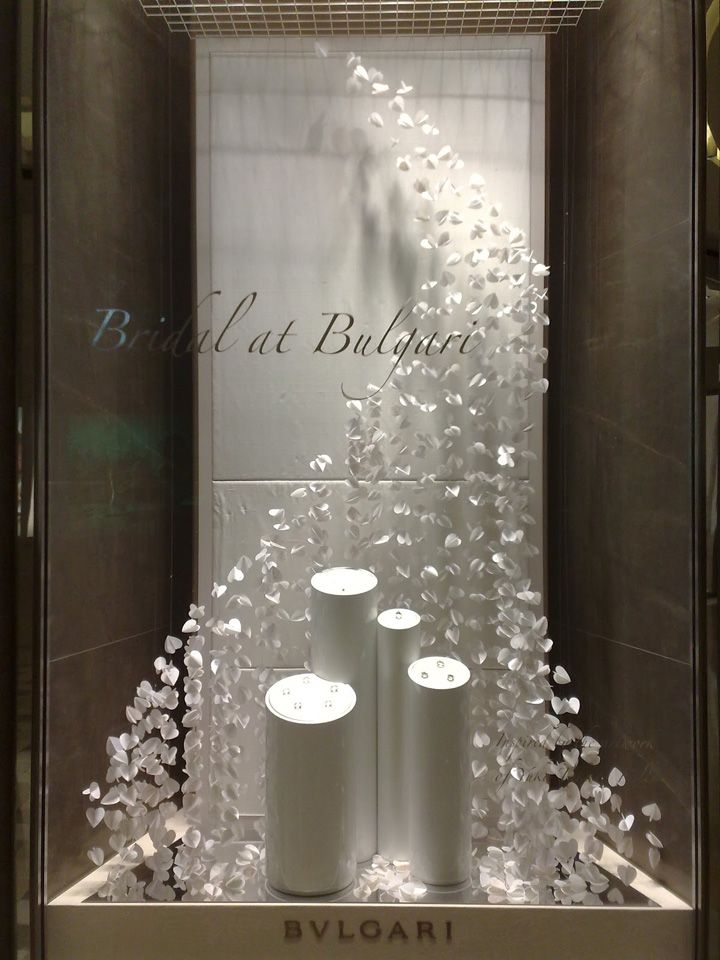
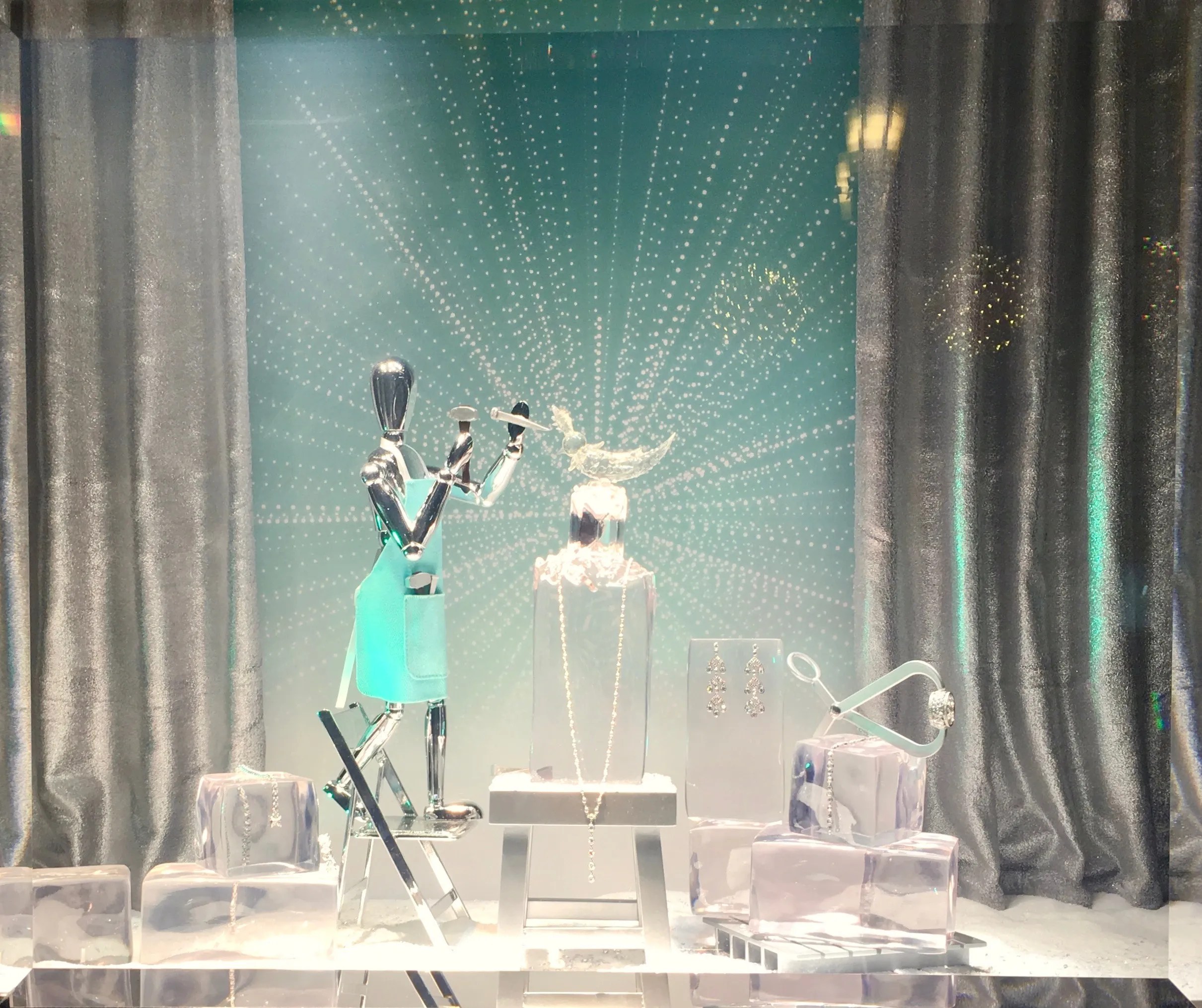
- It has to work like an emotional poster: a few carefully chosen pieces, high presentation quality, a theme built with props or atmosphere.
- Good lighting, clear visual hierarchy, a background that contrasts without stealing the spotlight.
➤ Interior layout
- According to behavioural studies, location, angle and eye level all matter: customer attention is automatically drawn to «hot» zones.
- The highest-margin products or the ones that best symbolise the brand should occupy those privileged spots.
- Smart groupings: by collection, occasion, metal, style… help the customer «see» sets, lifestyle and emotional connection.
➤ Materials, texture, atmosphere
- Velvet linings, polished glass cases, stainless steel, warm/cool lighting matched to the metal or jewel.
- Free space around the pieces: «breathing room» in the display lets each jewel have its own visual moment.
➤ Staff + signage
- The team should know the story behind each piece to reinforce the narrative.
- Clear but non-intrusive signage: «new collection», «limited edition», «inspired by…» can all reinforce the storytelling.

4. Visual Merchandising in e-commerce (the web store)
➤ Digital translation of the physical space
- What’s a showcase in store becomes a hero image + product carousel + style context on the web. The discipline of «digital visual merchandising» draws directly on physical-store methods.
- Visual storytelling: use lifestyle images, images of the piece in context, of emotion, not just an isolated product shot. This connects with the brand’s narrative.
➤ Navigation, groupings and suggestions
- Group by collection, style, occasion to guide the user. «Complete the look» and «You may also like» are effective digital merchandising modules.
- Zoom, 360º view, explanatory text + the piece’s story: the richer the visual information, the greater the trust.
➤ Brand coherence
- Tones, typography, background style (white, light grey, black), consistency across images: all of it builds identity.
- The product image should be aligned with its in-store presentation (where applicable), for omnichannel coherence.
5. How to integrate both experiences for total impact
- Synchronisation: make sure the e-commerce photography and the in-store presentation speak the same visual and narrative language, so the experience feels seamless whether the customer moves from web to store or the other way round.
- A story driven by the piece: introduce the piece’s story (inspiration, technique, materials) on the online product page, and try to have a visual cue in store that points back to that story (a card, a short video, printed material).
- Reinforce the sense of «experience»: in store, make seeing the jewel a special moment (light, support, easy access). Online, make seeing it feel almost as immersive (high-res, detail, lifestyle context).
- Make the customer imagine: not just seeing «an object», but «a moment». A ring that marks an engagement, a pendant that accompanies an achievement, a jewel worn on a special night.
6. Your role as visual merchandiser + stylist photographer
With a profile spanning window display design, fashion retail styling, experiential visual merchandising strategy and VM for eCommerce, you have a double advantage:
- You can devise the storytelling: define the theme, mood board, style, the emotional message the jewel conveys.
- Then bring it to life both physically (window, module, layout) and digitally (photography, e-commerce, social media).
- Make sure to document the staging (framing, light, support, colour) so there’s continuity across channels and you can replicate or adjust it.