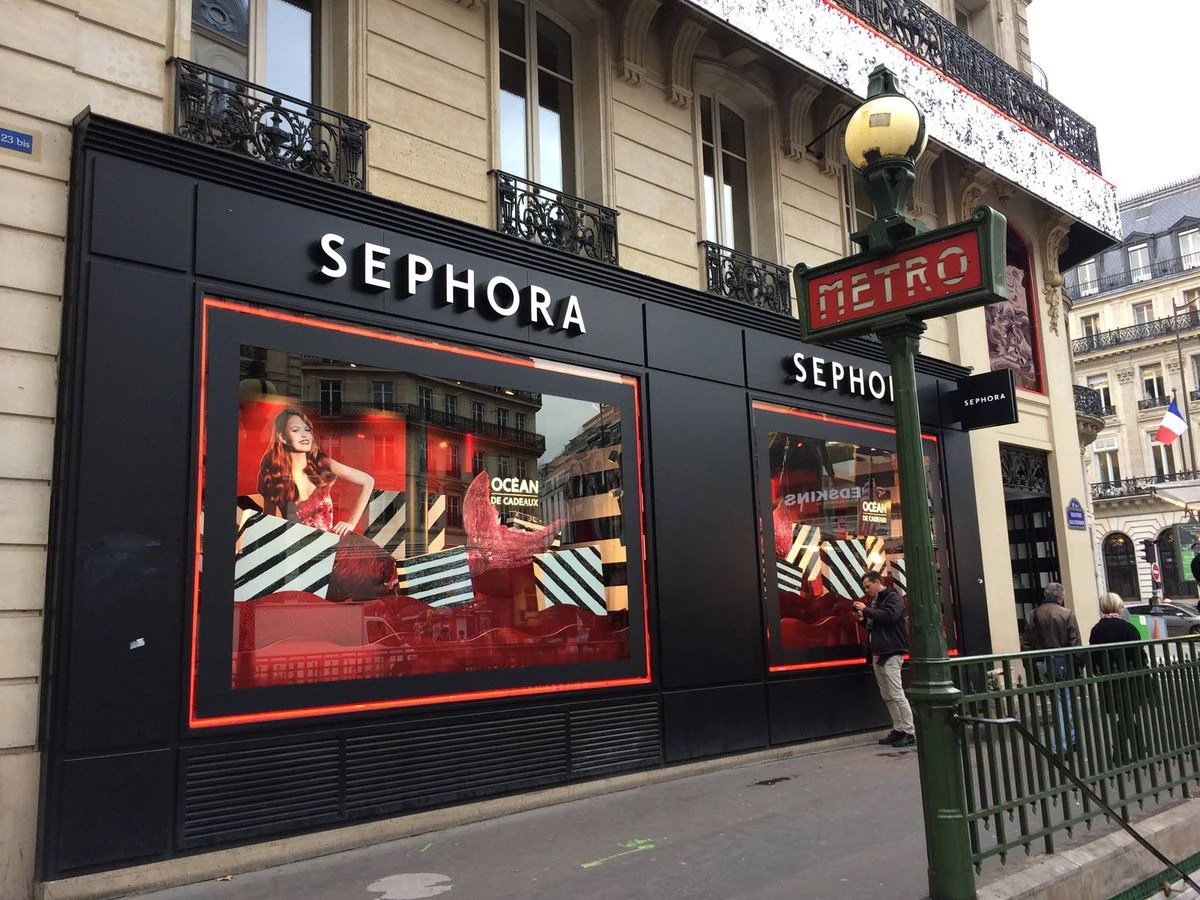
From a perfume shop in Limoges to a global icon of beauty visual merchandising
Sephora was born in 1969, when Frenchman Dominique Mandonnaud opened a perfume shop in Limoges. Ten years later, in 1979, he took the leap that would define the brand: he opened «Shop 8», a store that broke with the sector’s dominant model, where product lived behind a counter and it was the sales assistant who decided what to show. Mandonnaud did just the opposite: he put the product within the customer’s reach and let them try it freely, the «open sell» concept we now take for granted in any cosmetics store.
In 1993 the chain was rebranded as Sephora, a fusion of «sephos» (beauty, in Greek) and Sephora, the wife of Moses. In 1997 LVMH bought the company and turned it into the global platform it is today. Half a century after that first store, the principle remains the same: letting people touch, try and discover is, in itself, the visual merchandising strategy.
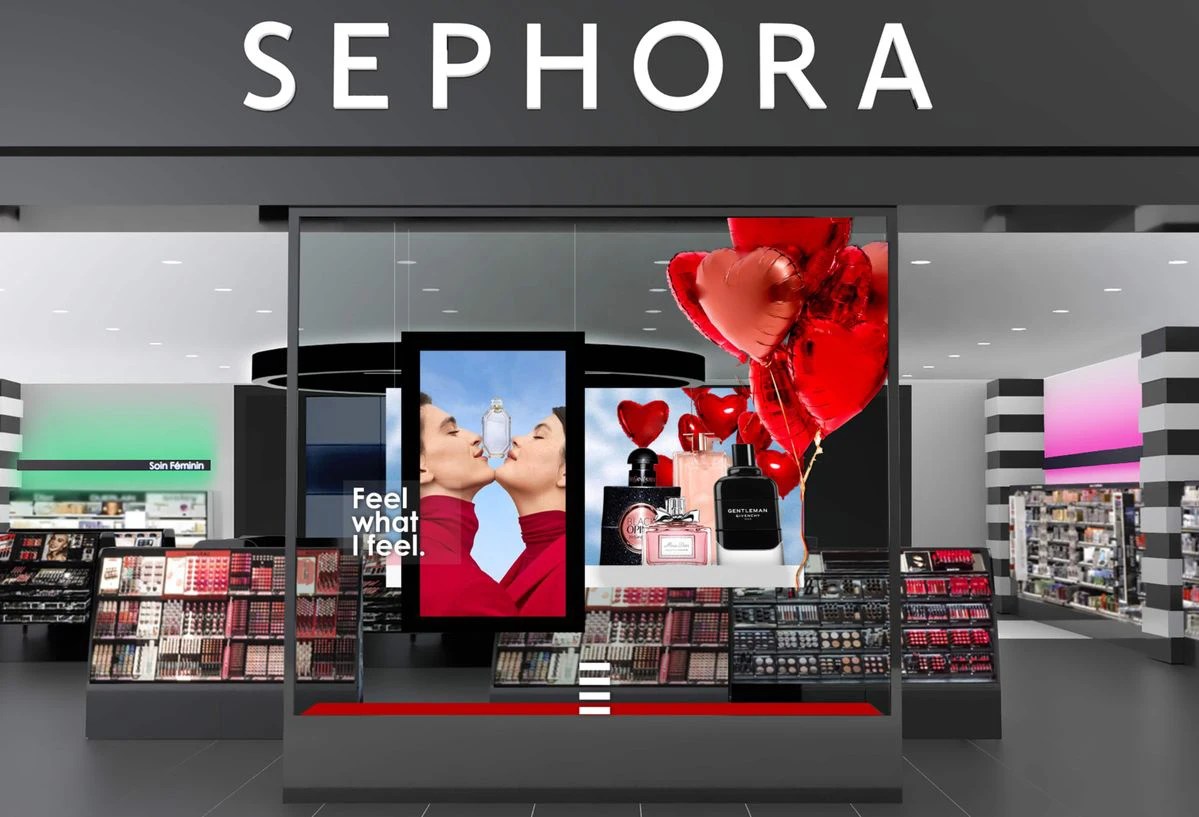
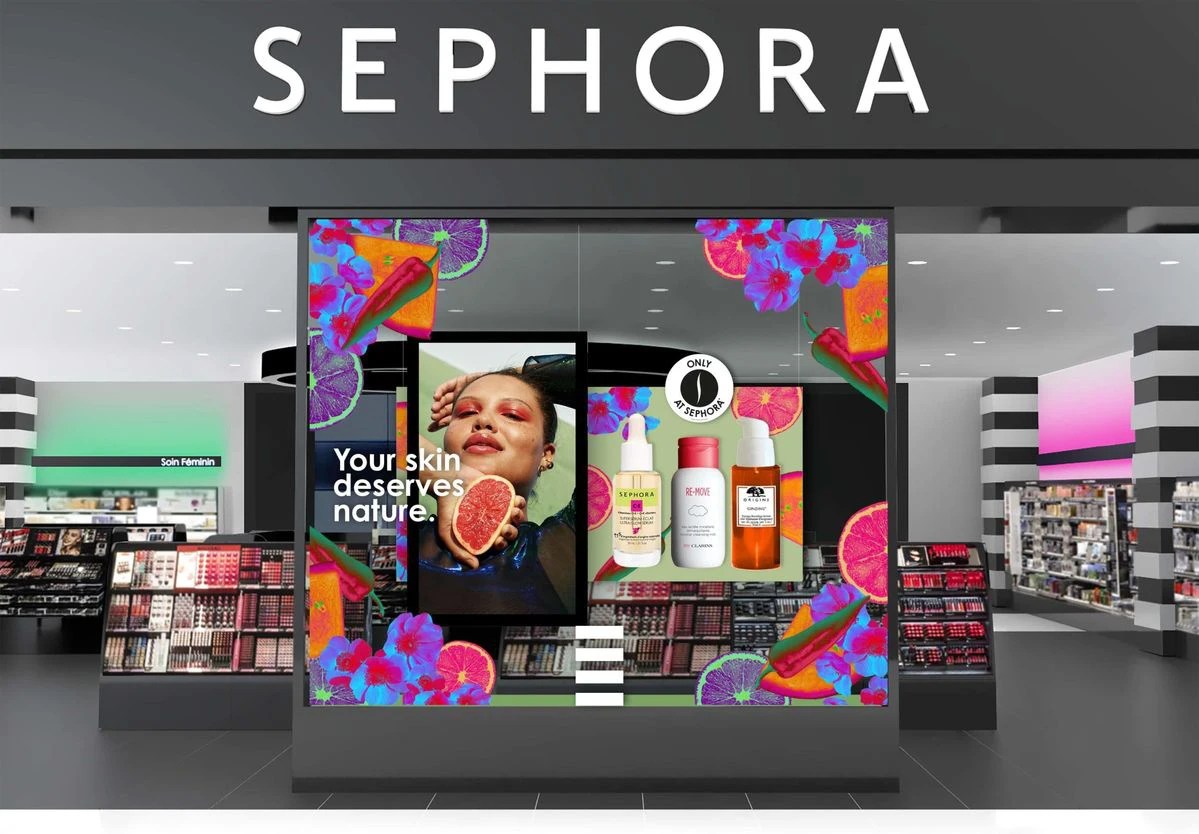
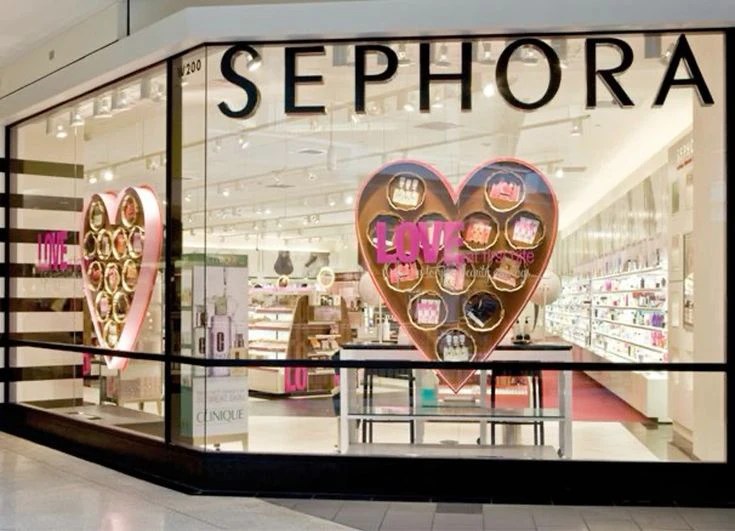
Every time I walk into a SEPHORA, I remember why beauty is one of the retail categories where visual merchandising isn’t an add-on: it’s the soul of the business.
Here, products aren’t what’s sold. Transformation is. And that, visually, demands a different language.
SEPHORA masters that language like few others.
1. The store as a stage for discovery
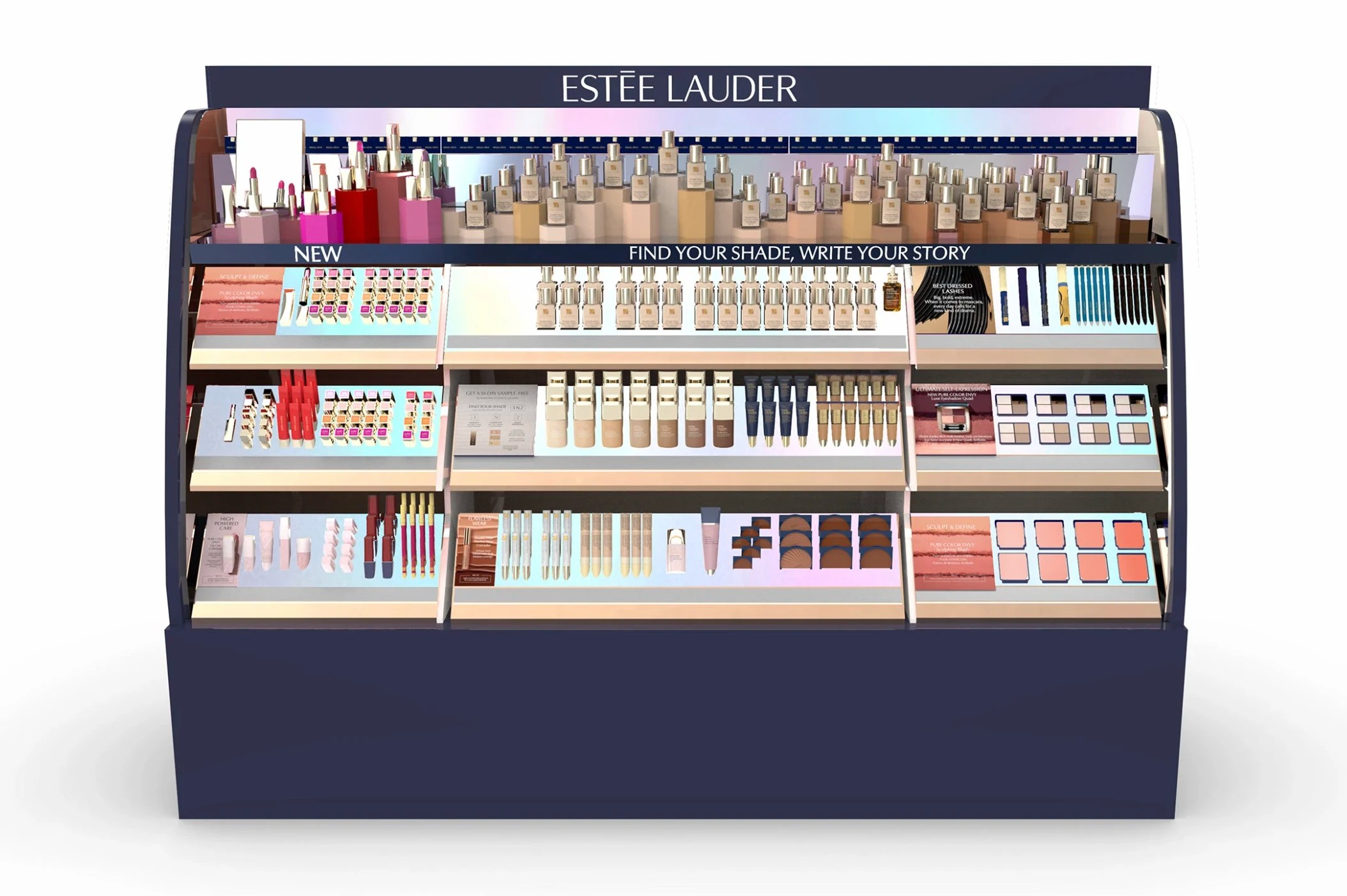
SEPHORA doesn’t organize its store by brand at random. It does it by rituals, by emotional categories: skincare, makeup, fragrance, haircare…
This approach lets the customer wander the way you’d explore a backstage: trying, experimenting, touching.
It’s retail, yes, but it’s also fantasy.