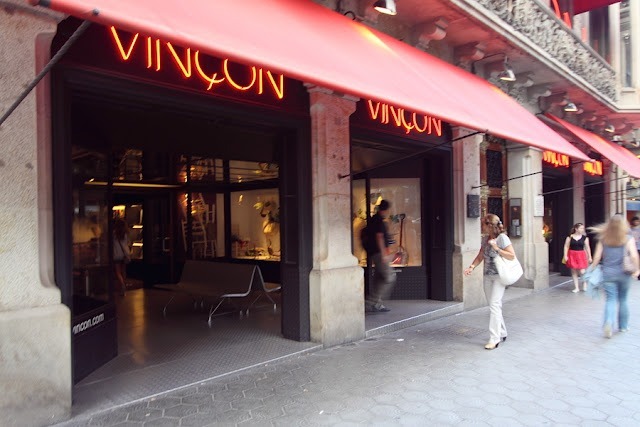
Vinçon was never an ordinary store. Between 1941 and its closure in 2015, this design bazaar on Barcelona’s Passeig de Gràcia, housed in the modernist building that had been Ramon Casas’s home, was for decades one of the required stops on any design tour of Spain. Furniture, kitchenware, stationery, lighting: an eclectic catalog that taught several generations to look at everyday design differently.
And for twenty years, Antonio Iglesias worked its windows.
Antonio Iglesias: twenty years telling stories with the product
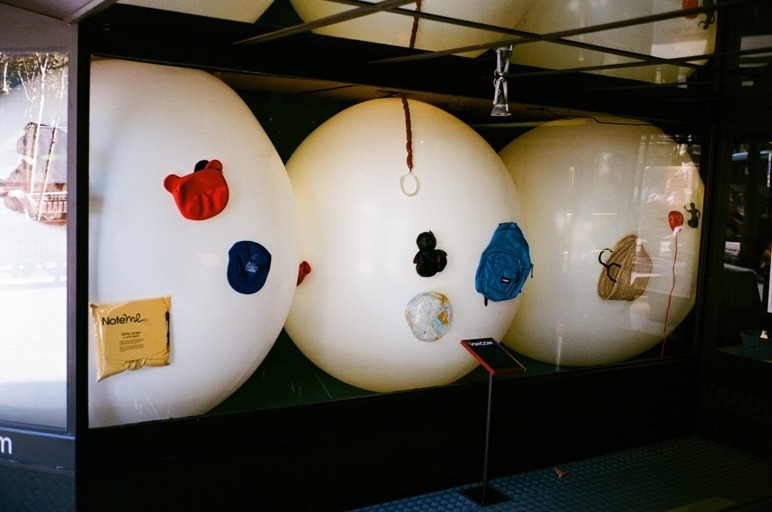
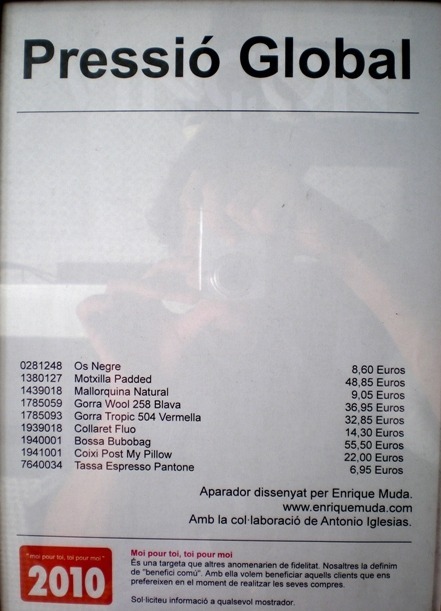
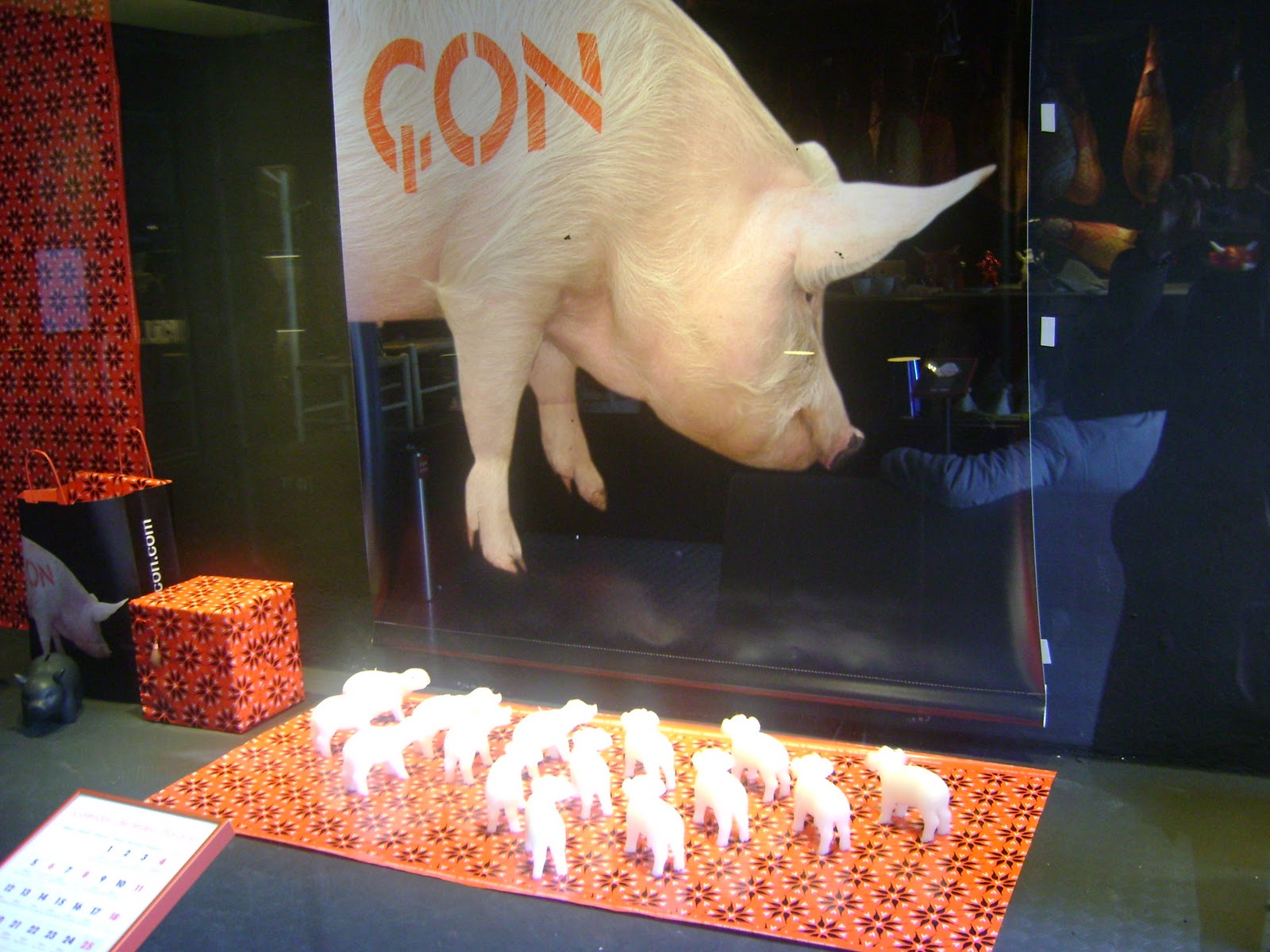
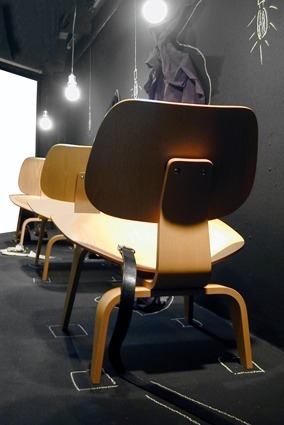
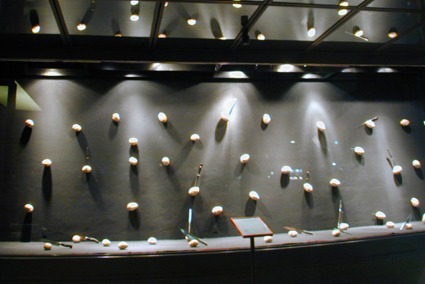
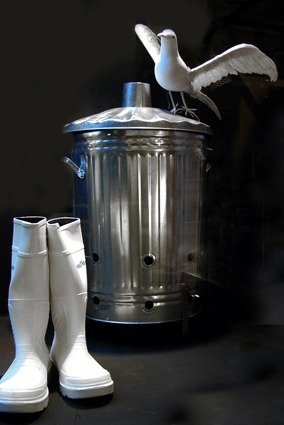
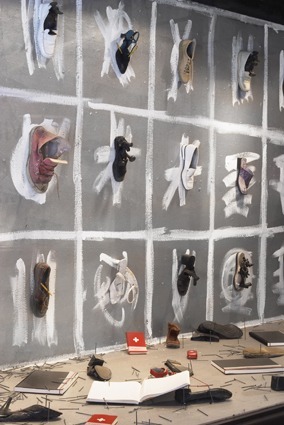
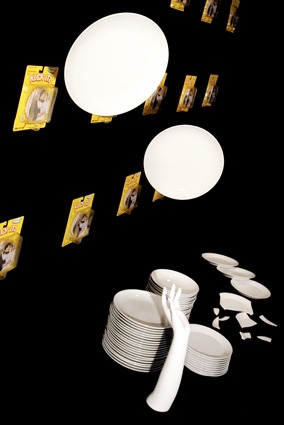
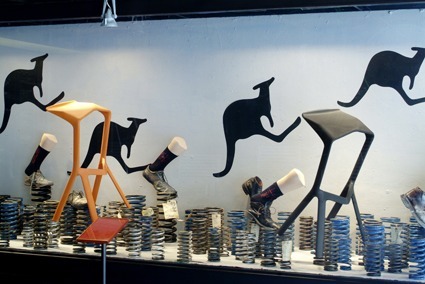
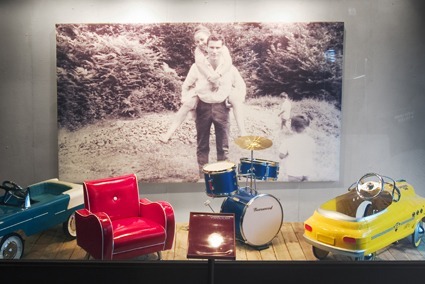
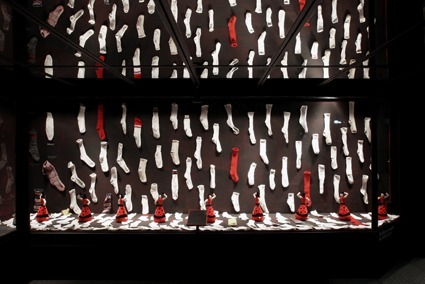
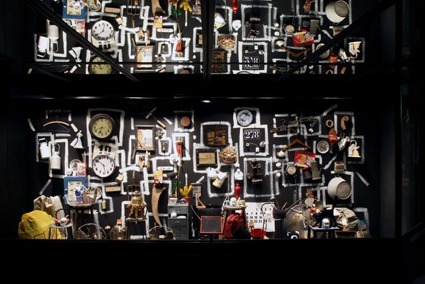
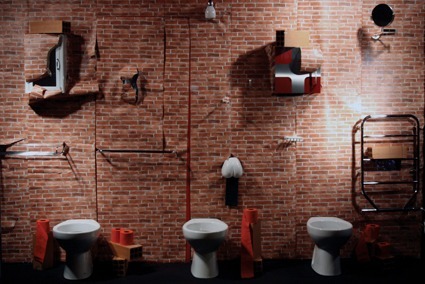
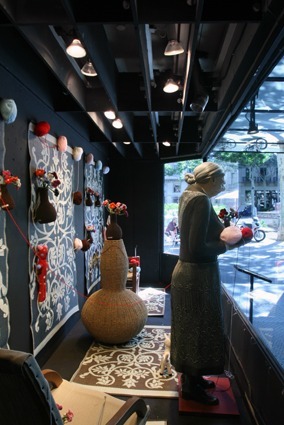
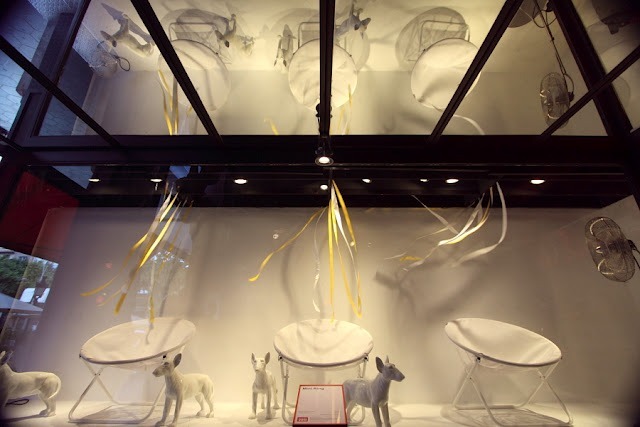
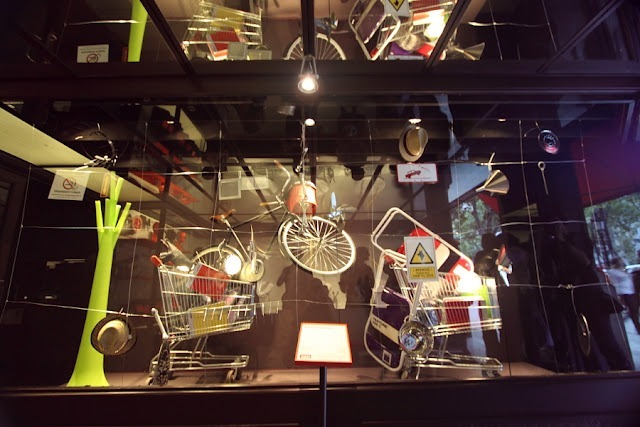
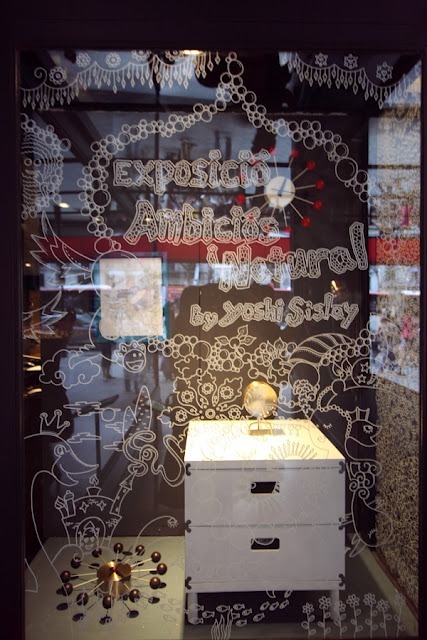
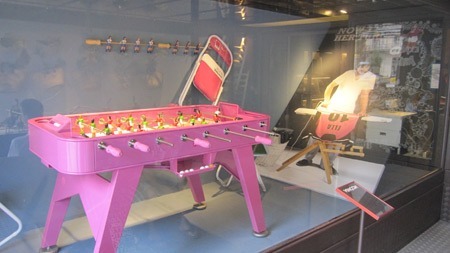
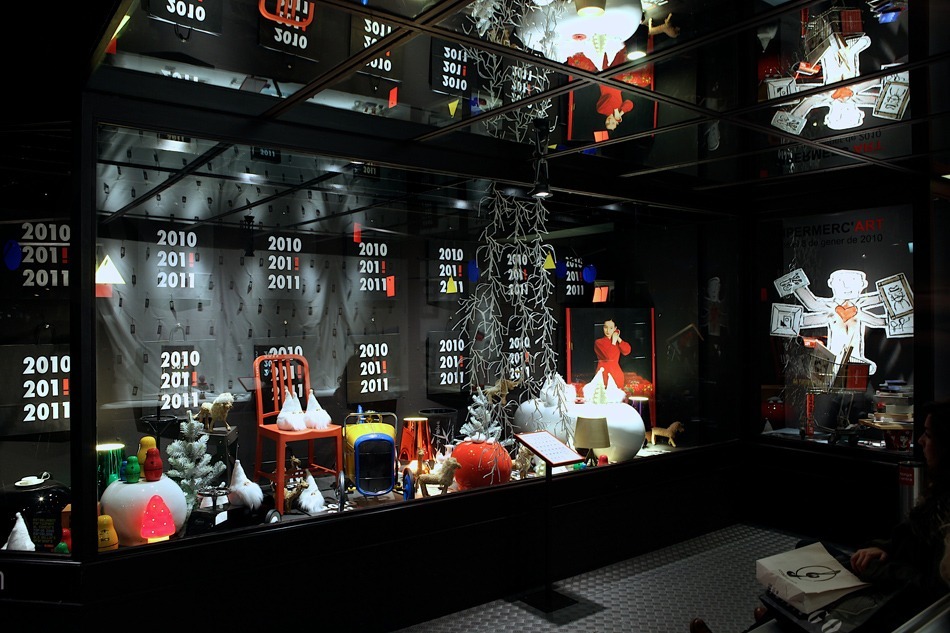
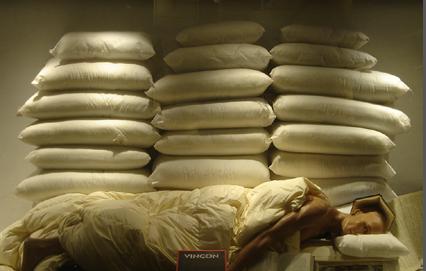
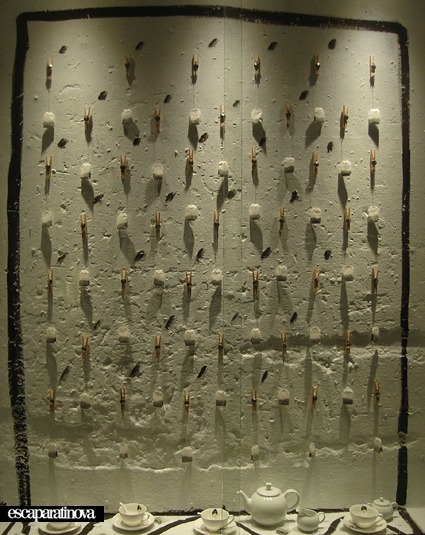
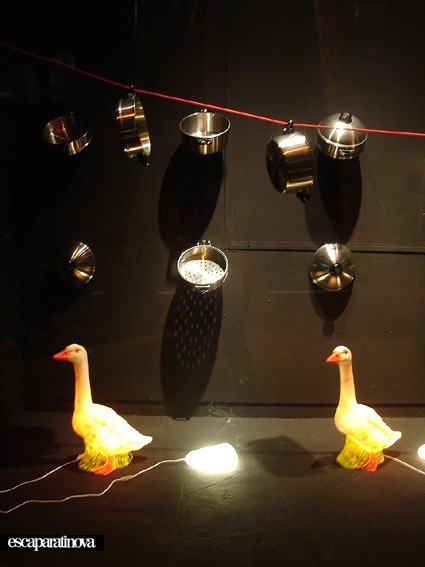
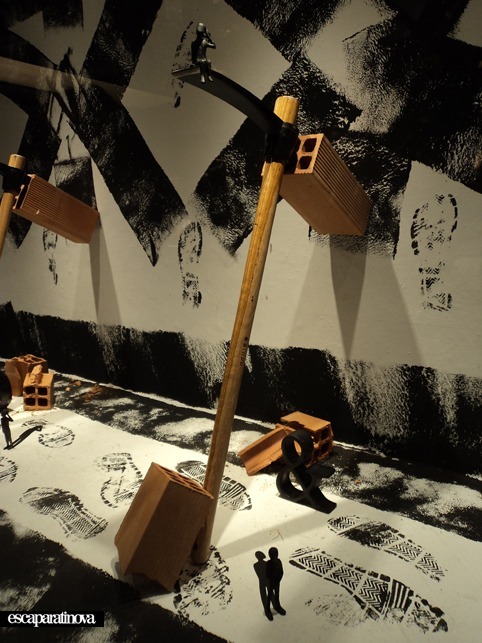
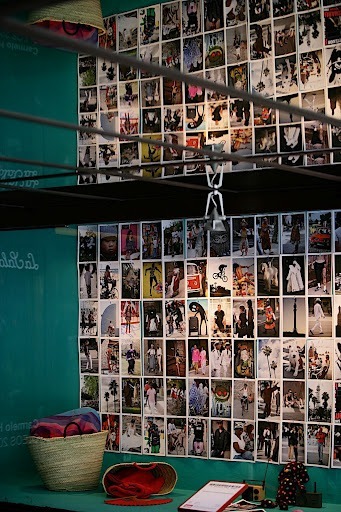
Iglesias didn’t build window displays. He wrote them. Each composition was a small narrative built solely from the product the store itself had for sale, with no outside set dressing or props bought for the occasion: chairs, lamps, tableware and Vinçon objects turned into characters in a visual story that read left to right, like a comic panel.
That’s the key to his work, and the reason he remains a reference in window-display schools: he proved that a window’s most powerful narrative needs nothing outside the catalog. The limit isn’t the props budget; it’s the ability to see the product as vocabulary.
When Vinçon closed its doors in 2015, after rent rose in one of Spain’s most expensive commercial strips, Antonio Iglesias said goodbye with sets filled with texts by T. S. Eliot and Simone de Beauvoir: the window dresser who had narrated the store for two decades chose to say farewell with literature too, not only with objects.
Why this gallery matters in 2026
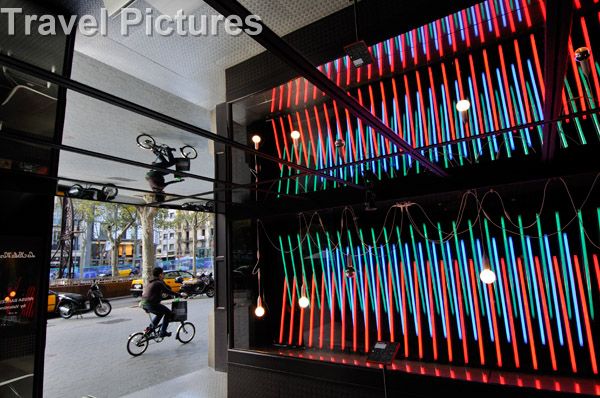
The image gallery below gathers part of that work: window displays pulled, literally, «from forgotten things», as the original title of this series put it. Documenting and preserving this kind of work is part of what we do at BARRONVISUAL: Spanish narrative window display has its own reference points, and Antonio Iglesias at Vinçon is one of the most important, on par with international figures like Gene Moore at Tiffany’s or Leïla Menchari at Hermès.
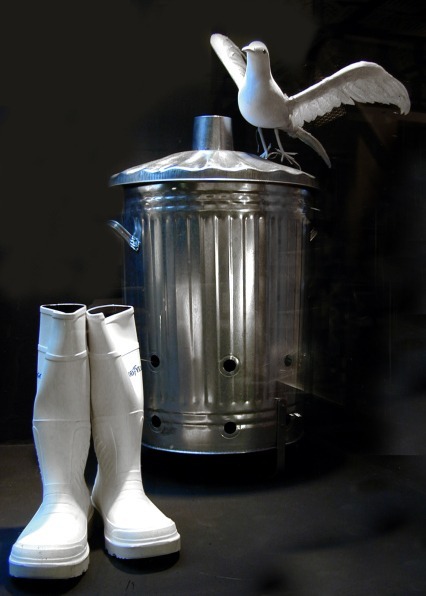
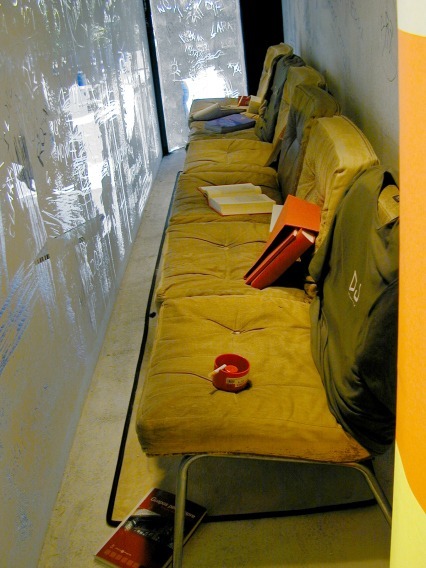
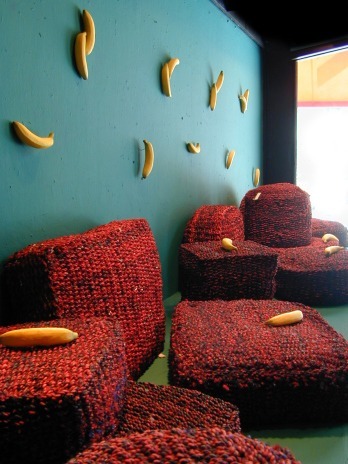

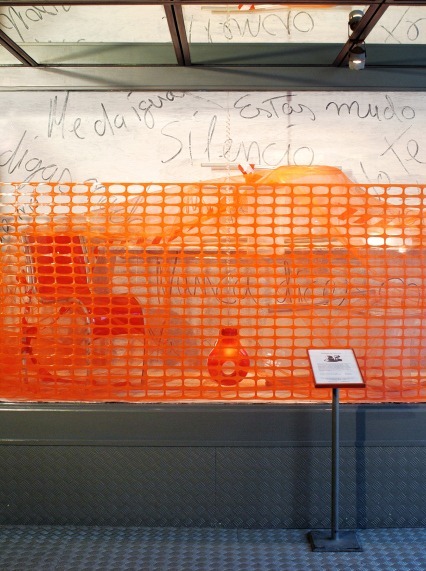
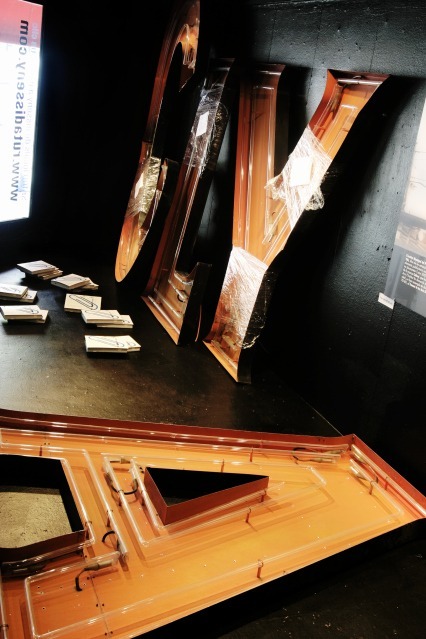 Pulling memories from forgotten things; Antonio Iglesias turns window displays into true illustrated narratives with the products of Vinçon.