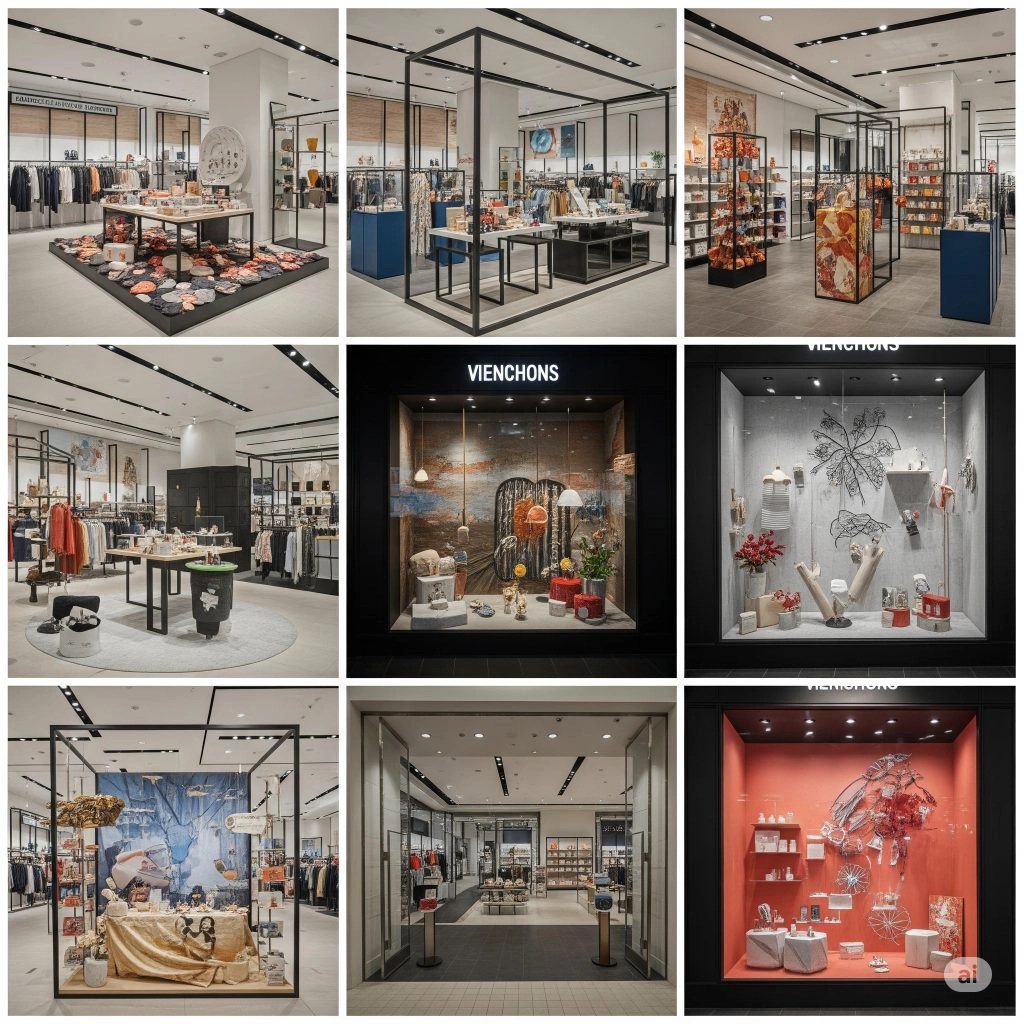
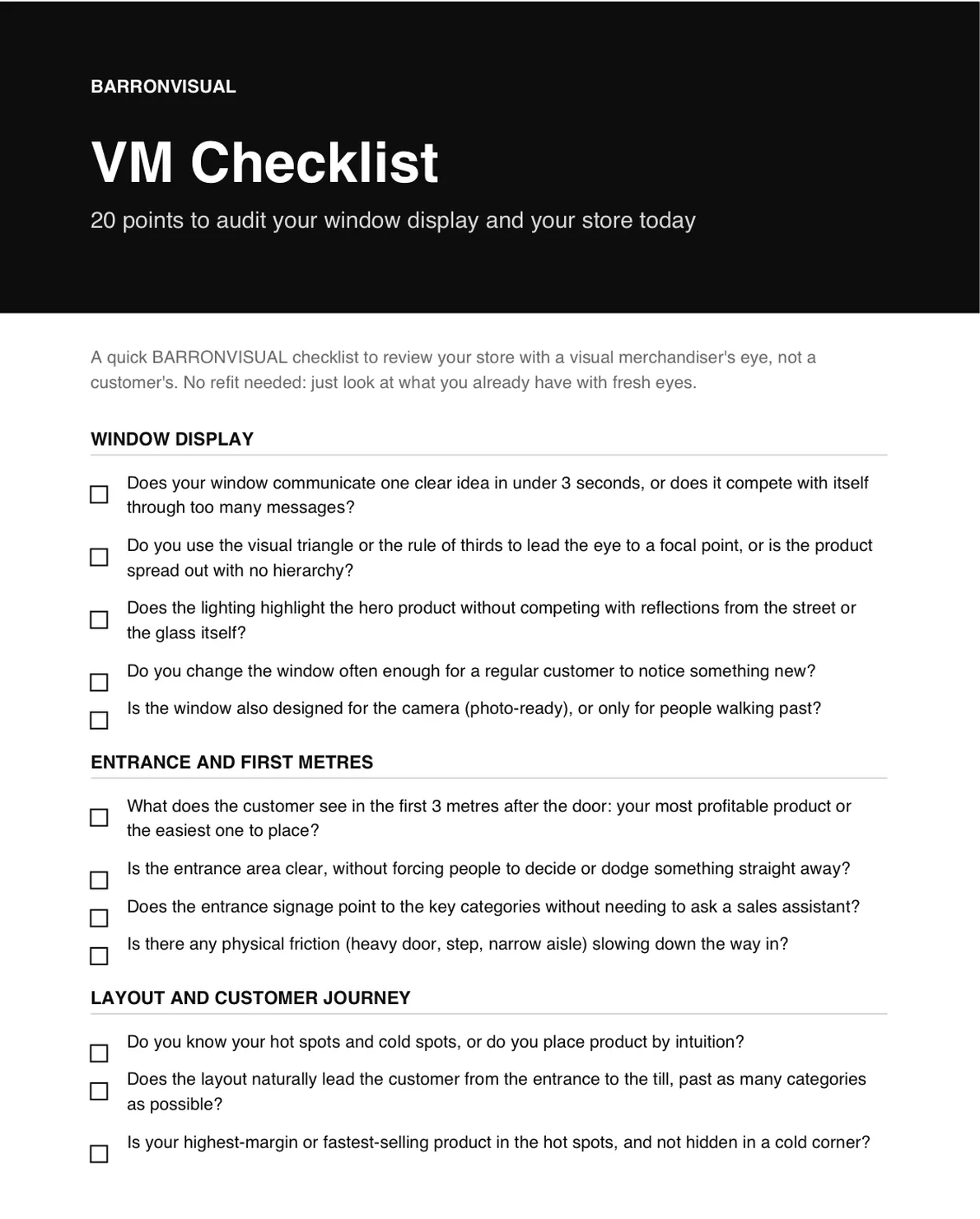
Let’s be honest. Visual Merchandising (VM) is mostly tactics, but its most powerful weapon is art. Our job isn’t just to manipulate attention; it’s to manipulate emotion. In this underground corner of retail, we admit the truth: the artistic side of Window Display is what turns need into a desire so pure that the purchase feels inevitable.
Today’s customer is saturated. They’re bombarded visually from the street to the phone screen. Our mission? To use art to create a desire so pure that the purchase feels inevitable. And this, comrades, has to be an Omnichannel strategy that unites the sidewalk with the algorithm.
Phase 1: The Art of Seduction – Window Display and the Street-Level Store
In the physical store, we are architects of need and stage directors. Here, VM is applied psychology and dramatic art.
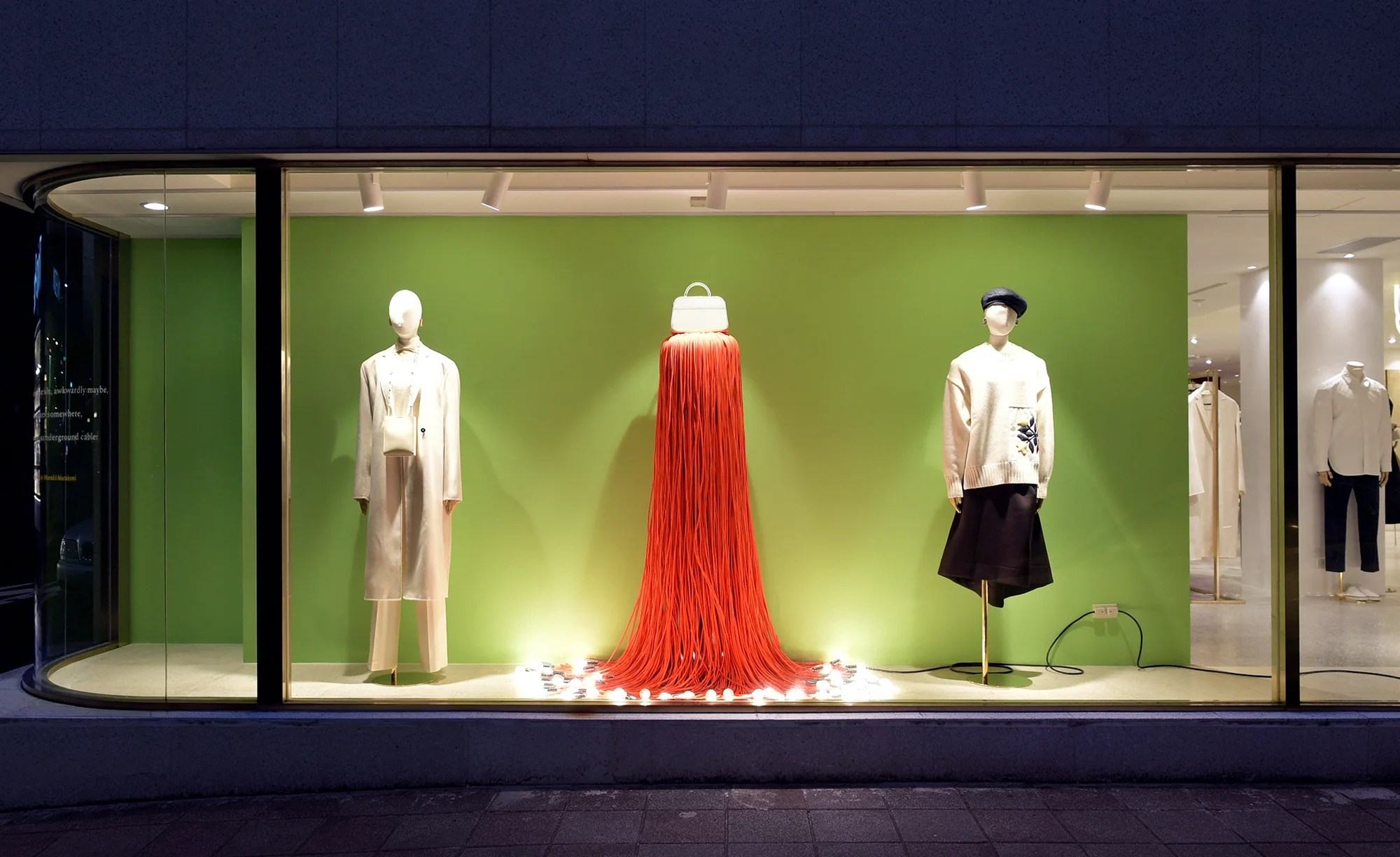
Window Display: The «Critical Theater.» The window is not decoration; it’s a manifesto. Use asymmetric compositions, contrast lighting (hard shadows), and unexpected objects (the underground element) that force reflection. Beauty here is disruptive, not passive. It’s a performance that forces you to stop, demanding attention before you even walk in.
The Visual «Roadblock.» Don’t decorate, block. Place a disruptive, tall display right after the entrance. You force the customer to change direction and look at the main collection before their brain gets used to the space.
The Law of Scarcity (Limited VM). Less sells more. Display key collections with a limited number of visible units or sizes. This creates urgency and a sense of exclusivity («If I don’t grab it now, it’s gone»).
Raw-Context Narrative. Forget the perfect ambience. Show the product in its most aspirational and real context of use. If you sell technical clothing, use rough textures and industrial elements. Create a visceral story that justifies the price.
The Sensory Bait. The customer walks in through their eyes, but buys with their body. Use high-BPM music (drive), distinctive scents, and textures that invite physical contact.
Phase 2: The Algorithm of Desire – From Pixel to Conversion
Once the customer jumps to the website, the window’s artistic aesthetic has to translate into a high-speed UX (User Experience). You have 3 seconds to replicate the visual impact.
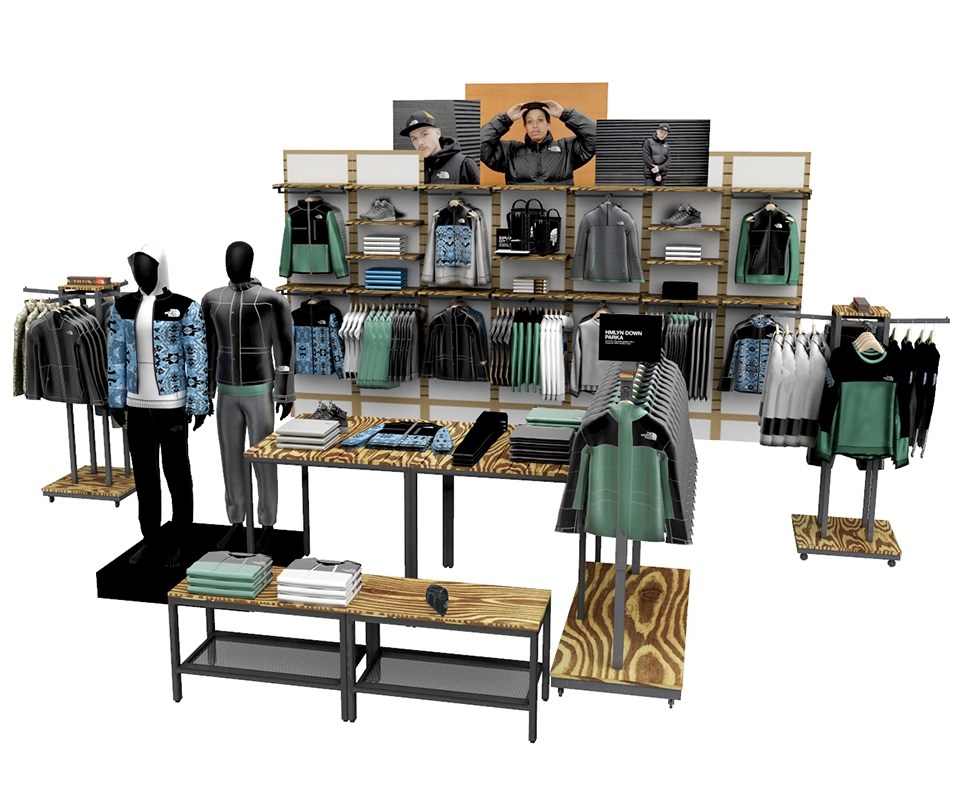
The «Pixel Window» (Hero Banner). The Critical Theater. Use extremely high-impact images, with the same art direction, composition and dramatic focus as your window display. It has to be the first thing that catches the eye, the focal point of your current campaign.
«Forced Cross-Sell» (Shop the Look). Raw-Context Narrative. Instead of just the t-shirt, the engine should automatically suggest the full look. Group products together so that addiction to the whole outfit comes easy, driving up average cart value.
The «Dark Corner» (Web Zoning). The Law of Scarcity. Instead of a loud sale banner, create discreet sections («Last Units,» «Exclusive Limited Collection»). Place these sections in the main menu to generate constant FOMO (Fear of Missing Out).
Brand Coherence (The Look). Coherence and Art. Color, typography, and photographic flair have to be identical to the physical store’s. Visual coherence reinforces the identity that the art of the Window Display already built on the street.