3. Technology, campaigns and collective action: the phygital weapon
Technology is no longer optional; it’s vital. According to Neuromobile and other specialists, adding apps, platforms, geolocation, routes and notifications is what makes revitalization actually make sense.
Some ideas drawn from there:
- A «gift voucher»-style campaign for local purchases, combining an app, mailing, push notifications and physical billboards.
- Integrating tourism with retail: when someone visits the city, they should know where to shop, where to find attractive window displays, where to have an experience.
- Using digital kiosks, QR codes, hybrid solutions for immediate visibility.
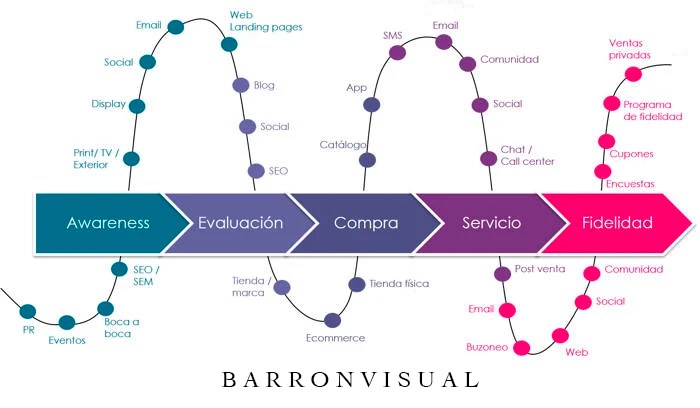
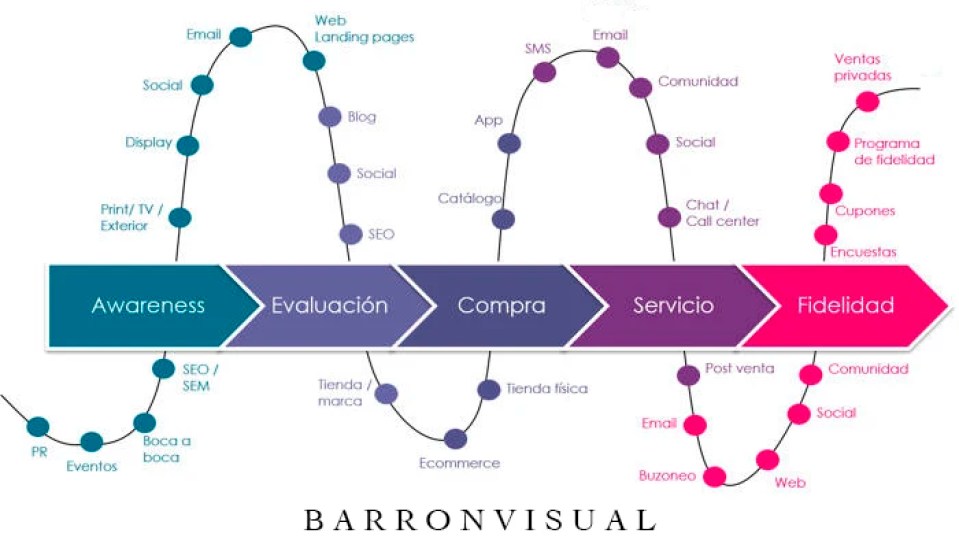
In short: it’s not enough to have a store plus a website. You have to make the two talk to each other, so the store lives online and the digital side invites people into the store.

4. Examples of policies and support frameworks (yes, the big players do it too)
We’re not the only ones in the trenches: governments see it too. In France, for example, 9 measures were just announced to revitalize city centers: among them, support for property funds that revitalize vacant premises, funding for «retail managers,» and integrating the retail axis into urban regeneration plans.
What does this tell us? That vacant physical space matters: dark storefronts equal a dying center. And that we shopkeepers have a real chance to reclaim ground, if we collaborate and get organized.
5. Concrete actions that already work (and that you should apply)
From the list of «10 actions to improve local retail» published on iUrban, here are some gems you can apply right now:
- Use technology to attract customers from minute one (your store shows up in search engines, apps, tourist routes).
- Connect tourism and retail: when a visitor walks through the center, make your store part of their experience.
- Digitize discounts and promotions with a QR code or mobile instead of paper vouchers.
- Pedestrianize the surrounding area → more foot traffic, more visibility, more sales.
- Create visible «events»: workshops, pop-ups, short sessions that break the routine.

6. My challenge to you (and to myself) as a city-center shopkeeper
Okay, you’ve got the analysis. Now the challenge is execution. And I’m going to leave you my own personal plan so you can adapt it to your store downtown:
- Take a hard look at your window display this week: when someone walks by, do they stop? Or do they look at their phone? If they don’t stop, change something radical.
- Set up a phygital event in the next 30 days: launch a mini-experience in the store that also communicates online (e.g. «Micro-showroom Monday + Instagram Live»).
- Make the digital side push people into the physical store: create a small QR coupon for anyone who visits the store that week, and measure how many walk in because of it.
- Team up with other stores downtown: run a joint route, a «shopping Friday» with synchronized discounts, coordinated window displays. Because an active center is far more appealing.
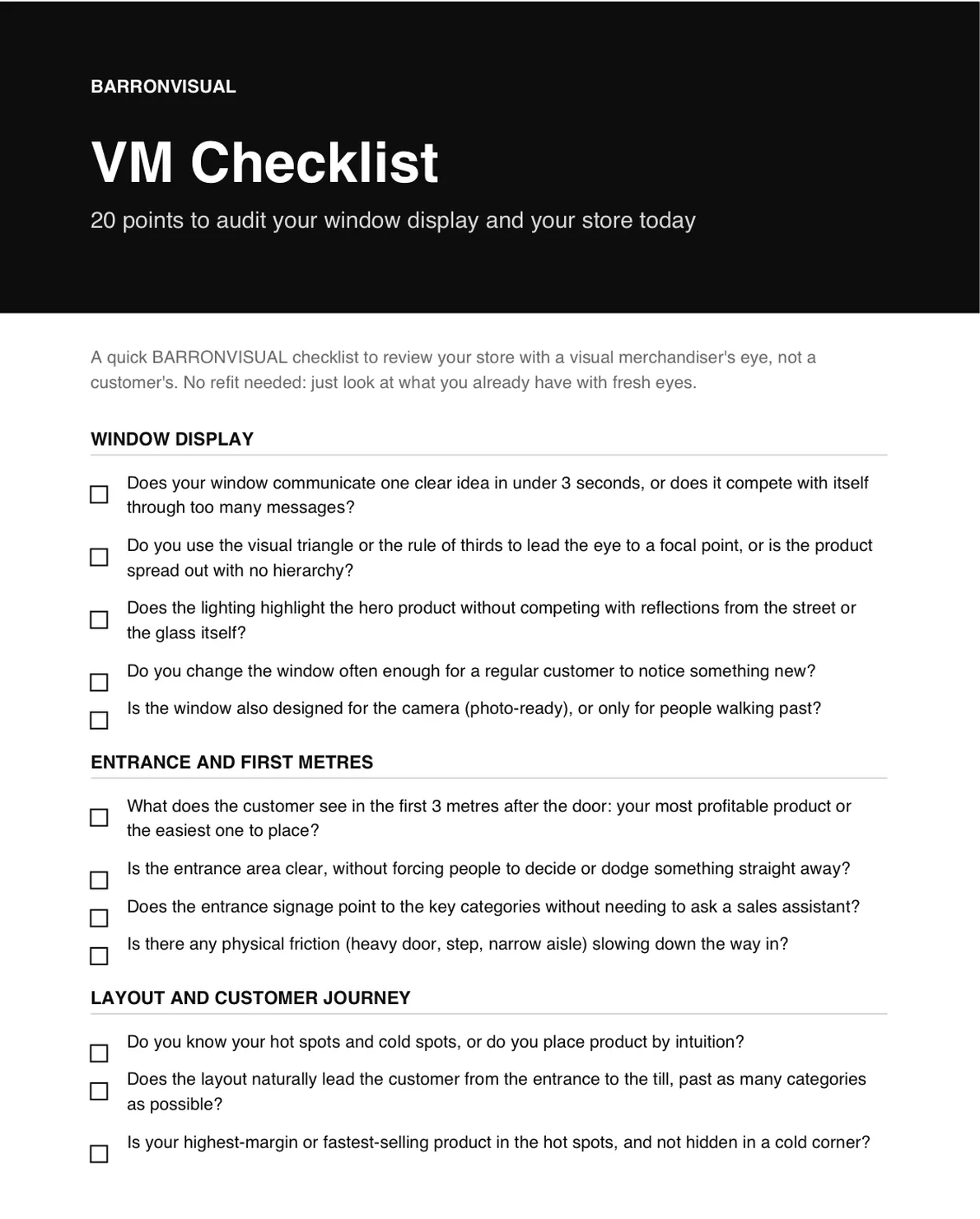
- Update something in your store you’ve been putting off: lighting, fixtures, visual merchandising, signage. The customer will notice, even if you think it’s minor.
- Measure results: traffic, bounce, sales. Without data, we don’t know if it’s working.
- Make some «noise»: communicate with energy, share on social media, post stories, reels, show the before and after. Let people see that something’s happening there.

7. Why if you put in the energy, you’ll get the return
Because a «declining city center» doesn’t get fixed with good intentions: it gets fixed with constant action.
- If you do nothing, your store will lose visibility, lose customers.
- If you only run «promotions» but keep everything else the same, people will walk in once and never come back.
- If you combine updating, revitalizing, technology and collaboration, you’re building a real competitive advantage.
And that advantage isn’t just about sales: it’s about reconnecting with the city, with its neighbors, with tourism, with its streets.
Because downtown retail has to become the city’s «heartbeat» again. And we have to be the cardiologists.
AT BARRONVISUAL WE SUPPORT YOU THROUGH THE WHOLE PROCESS. WE OFFER AN INTEGRATED SERVICE FOR STORES, COMPANIES AND CITIES.
In short:
If we want our city centers to start beating again, we shopkeepers need to get out of «survival mode» and into «action mode.»
Move the merchandise. Update the store. Create experiences. Connect online and offline. And above all, make noise. The good kind.
See you on the street (and in the store).
By Juan Carlos Barron · Phygital Merchandiser · BARRONVISUAL