What interior design actually changes, with real behavioural data
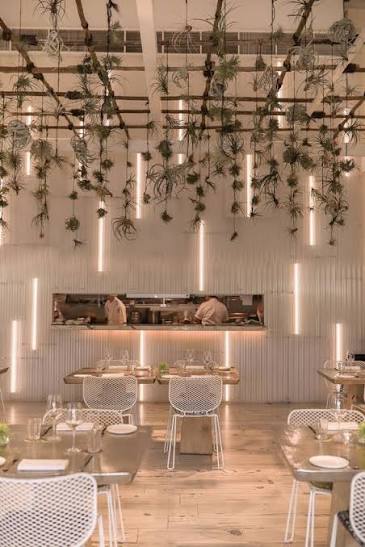
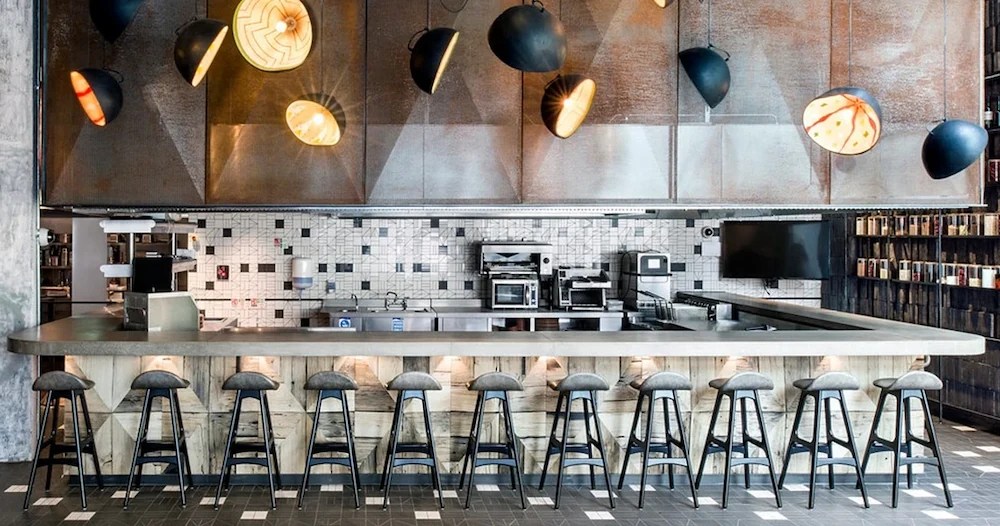
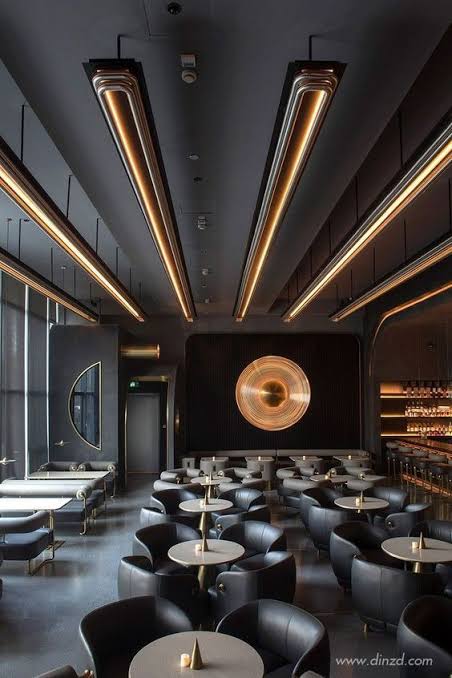
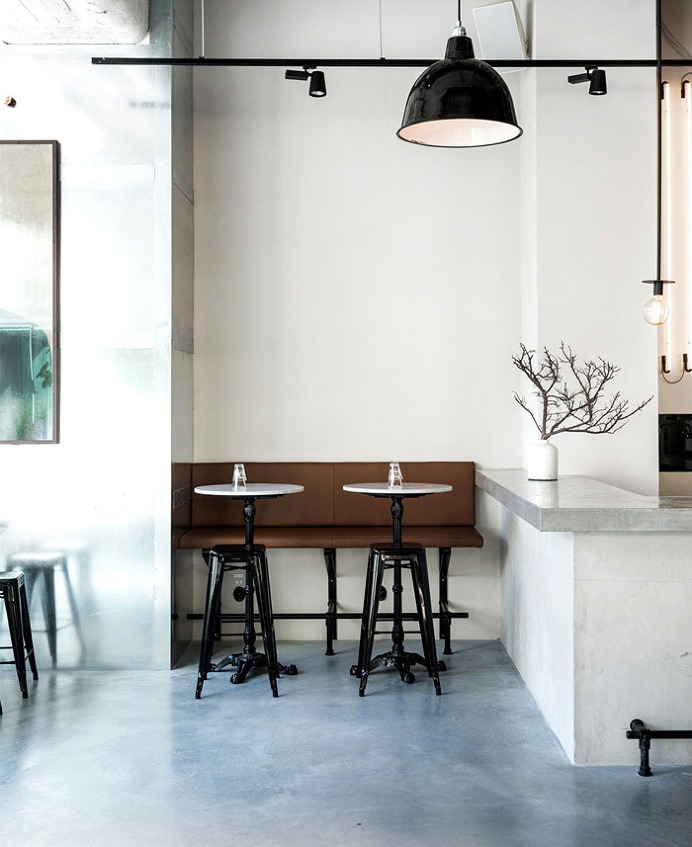
The interior design of a hospitality venue has a measurable effect on three business variables: how much the customer orders, how long they stay, and what perception of quality they take away before even tasting the food. Furniture layout, lighting, music and acoustics aren’t decoration, they’re experience-design variables carrying the same weight the window display has in a fashion store. A room with light that’s too cold invites people to eat quickly and leave; a warm, well-resolved room invites them to stay and order a second coffee or an after-dinner drink.

Brand coherence, applied to the dish and the staff
Hospitality interior design that truly works isn’t limited to the space: it includes the whole visual identity, the team’s uniforms, the tone of service and even the plating of the dish as a piece of design. It’s the same systems-thinking principle we champion for retail: the same visual judgment held across every touchpoint, not just the facade. A venue with a carefully designed interior and generic staff uniforms, or a menu whose design has nothing to do with the room’s decor, generates the same brand friction as a store with a luxury window display and generic plastic bags at the till.

Brand storytelling, even on a plate of food
The hospitality industry has started talking about «gastronomic merchandising», the idea that a dish’s visual presentation, a takeaway product’s packaging, or the staging of a bakery counter serve exactly the same function as a product display in a store: communicating value before the first bite. A well-lit bakery or pastry counter, with a clear hierarchy between what’s meant to stand out and the rest of the range, sells more of the featured product for the same reason a fashion window with a single focal point sells more than a crowded one.

Why almost no local restaurant applies this with professional judgment
The reason is simple: almost nobody in hospitality hires a visual merchandiser, because nobody has told them they need one. The industry hires interior designers for the initial refurbishment and then never revisits the visual judgment for years, exactly the same mistake we criticised in our post on contemporary visual merchandising: a window display, or in this case a dining room, that hasn’t changed in months signals neglect even if the food is excellent.
The window-display and visual-merchandising judgment we apply to fashion and retail transfers almost unchanged to hospitality: diagnosing what’s failing, designing a system (not a one-off refurbishment), and executing with what the venue already has. If you have a restaurant, café or bakery and believe the problem isn’t the food, in the Phygital Retail Audit we confirm it with professional judgment, and at the Studio we execute it.