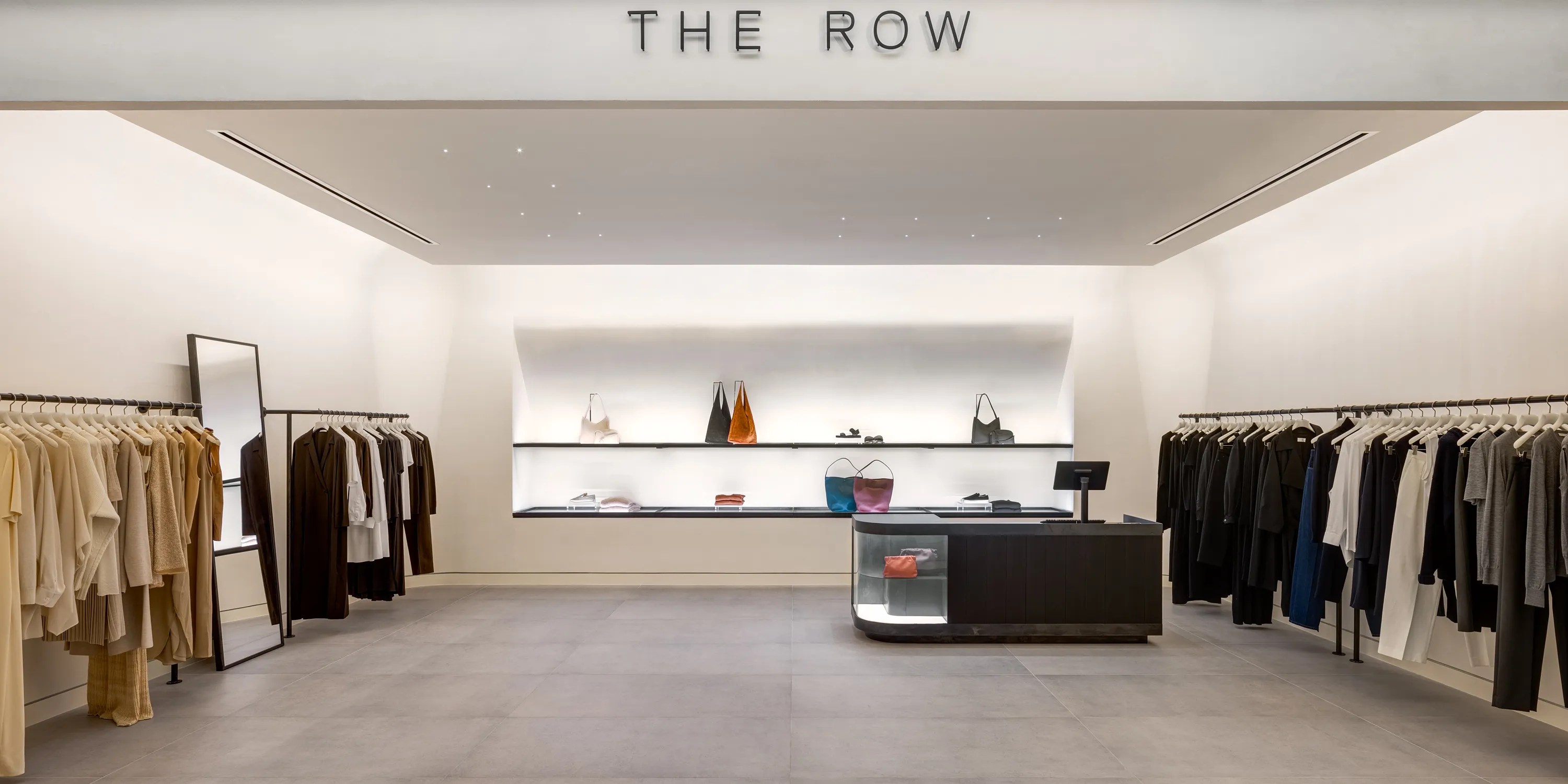
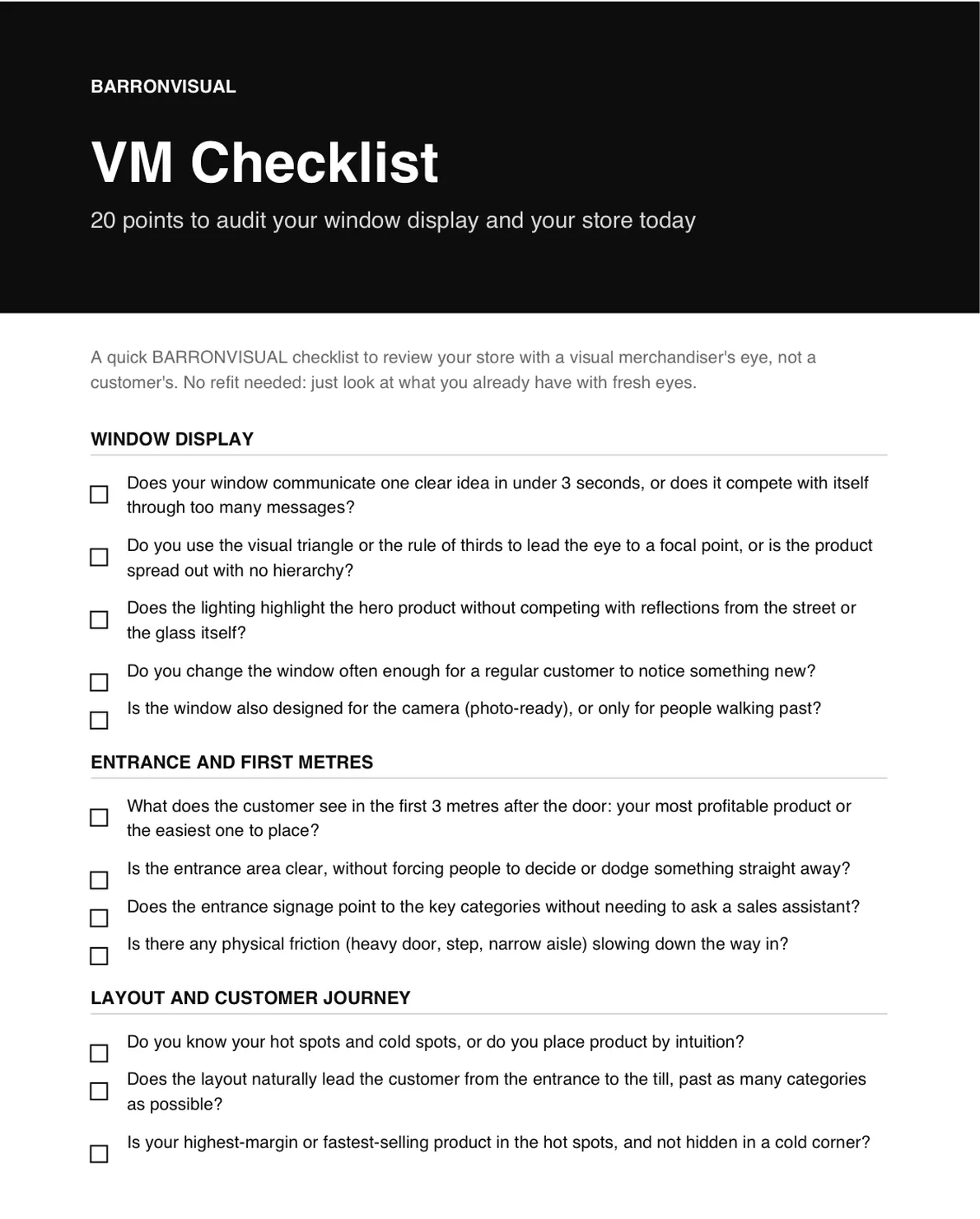
2018-2021: the word «phygital» is born (and takes a while to mean anything real)
The term started circulating in these years, but for quite a while it was more marketing promise than real practice: smart-mirror fitting rooms almost nobody used properly, store apps that duplicated the catalogue without adding anything to the physical journey. The pandemic, in 2020, did more to accelerate real integration between physical and digital retail than the previous three years of innovation talk: overnight, click and collect, reserving product online to try in store, and the window display as a traffic generator for the website stopped being an experiment and became survival.

2021-2024: data enters the window display
This is where the change that really matters begins: traffic-counting sensors, previously the preserve of chains with their own technology budgets, get cheaper and reach mid-sized retail. For the first time at that scale, a visual merchandiser can know which window focal point actually drove entries and which one just looked good in a photo. Creative judgment stops deciding blind. It remains irreplaceable for the proposal itself, but it’s no longer the only source of truth about what works.

2024-2026: generative AI, 3D and the window display as content
The last two years have been the fastest of the whole decade. Generative AI enters the conceptualisation phase (see our post on AI and 3D store design), 3D modelling with Rhino and V-Ray goes from being an architecture-studio tool to a retail design standard, and luxury brands start designing the window display thinking simultaneously about the physical glass and a phone screen, as we already covered when talking about conceptual window display. The 2026 window display isn’t a surface, it’s a node within a content system that lives across several media at once.

What hasn’t changed at all
And here’s the part almost nobody says out loud when they talk about a decade of «disruption»: the underlying judgment (single focal point, visual hierarchy, coherence between what’s promised and what’s shown) is exactly the same as ten years ago, and the same one Gene Moore applied to Tiffany’s windows in the sixties. The tools have changed radically. The craft of deciding what to tell and how, hasn’t. Whoever confuses mastering new tools with having design judgment usually produces technically impressive window displays that sell nothing.

What comes next
If the 2015-2026 decade was about connecting the physical with the digital, the next one will be about doing it with no visible friction for the customer: less «here’s a screen» and more invisible system that simply works equally well on the window display, on the website and on mobile. That’s exactly the philosophy behind BARRONSYSTEM. If you want to see where your store or your brand stands today within this evolution, in the Phygital Retail Audit we diagnose it with data, not intuition.