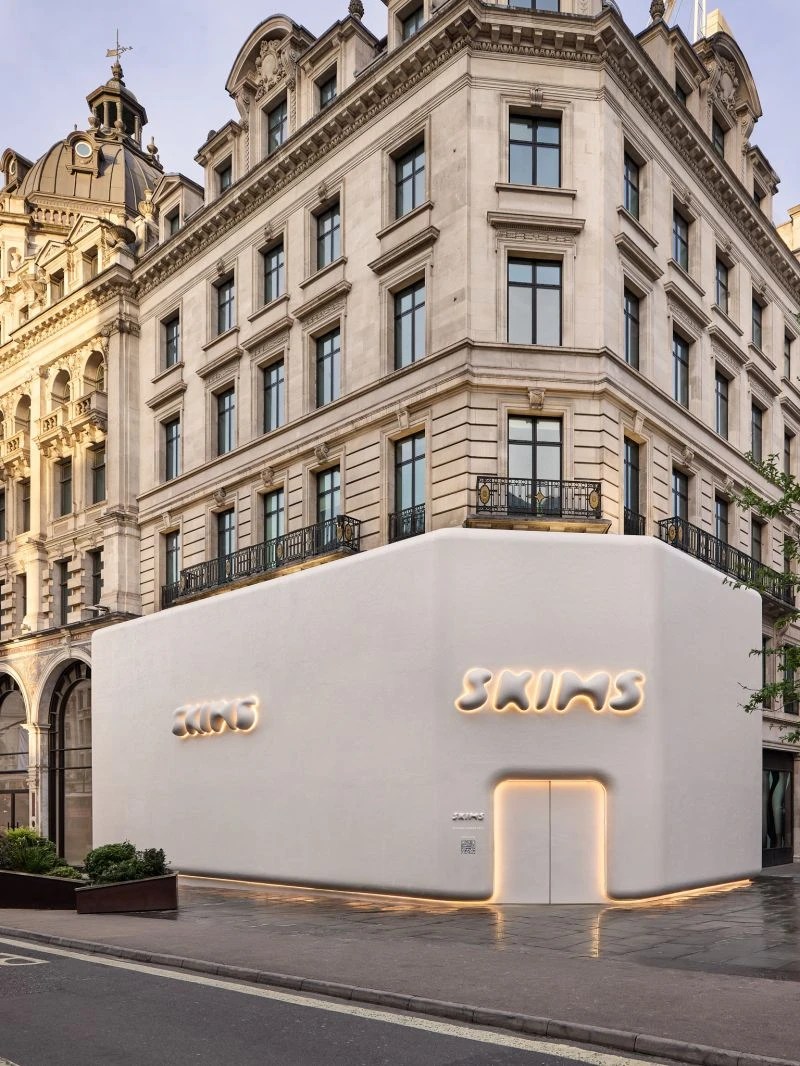
What the brain actually processes in those three seconds
It isn’t the product. It’s the coherence of the whole: colour, finishes, architectural lighting and the proportion of the facade opening against the rest of the street. A store with a great location and heavy foot traffic can have thousands of people walking past every day and still convert poorly, because a facade that doesn’t grab attention filters out most of that traffic before it ever gets to look seriously at the window display. Traffic is almost never the problem. The facade filter is.
Architectural lighting (not the window display’s own lighting, the whole facade’s) plays a role that’s underrated: at night, it directly decides whether a store exists or doesn’t exist for whoever walks past. A sign that’s off or poorly resolved in the late-afternoon/evening slot, which on many local retail streets is when foot traffic peaks, erases the store from the mental map of whoever’s walking by.

The three facade mistakes I see most often
A facade that’s closed by default. Vinyl decals, sale posters taped corner to corner across the glass, shutters left half-down outside opening hours that never fully go up even during them. Every element that blocks the view inside is one more barrier before the decision to enter.
Signage designed for the owner, not for the street. Typefaces illegible from pavement distance, insufficient contrast against the facade, sizing calculated to look good up close instead of from fifteen metres away, which is the real distance from which someone decides whether to cross the street.
Zero coherence between the facade and what’s inside. A modern facade with an outdated interior, or the other way round, generates the same sense of distrust as a dating profile that doesn’t match the real person: the customer walks in expecting one thing and finds another, and that friction costs sales even when the product itself is good.

How to measure it, not just guess
Large chains have spent years cross-referencing pedestrian traffic counts with actual entry counts to work out a facade conversion rate, separate from the in-store sales conversion. A local store doesn’t need expensive sensors to do a simple version of the same thing: count how many people walk past during a peak hour and how many walk in, on any given day. If that ratio is very low compared with similar businesses on the same street, the problem is almost never the product. It’s what happens in the three seconds before the door.
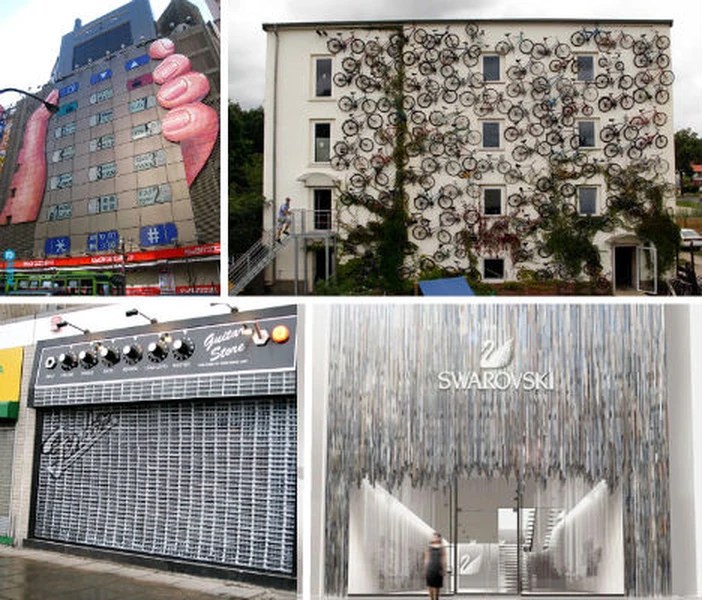
Facade and window display aren’t the same job
That’s why at the Studio we treat the facade as a diagnostic layer that comes before the window display, not automatically part of the same package. A brilliant window display behind a facade that has already lost the customer before they reach the glass is wasted effort. If you want to know whether your facade is filtering out customers before they ever see your window display, the Phygital Retail Audit starts exactly there.